Weather 1:00

Thunder Sounds Far for Kids

1The Giant Air Explosion

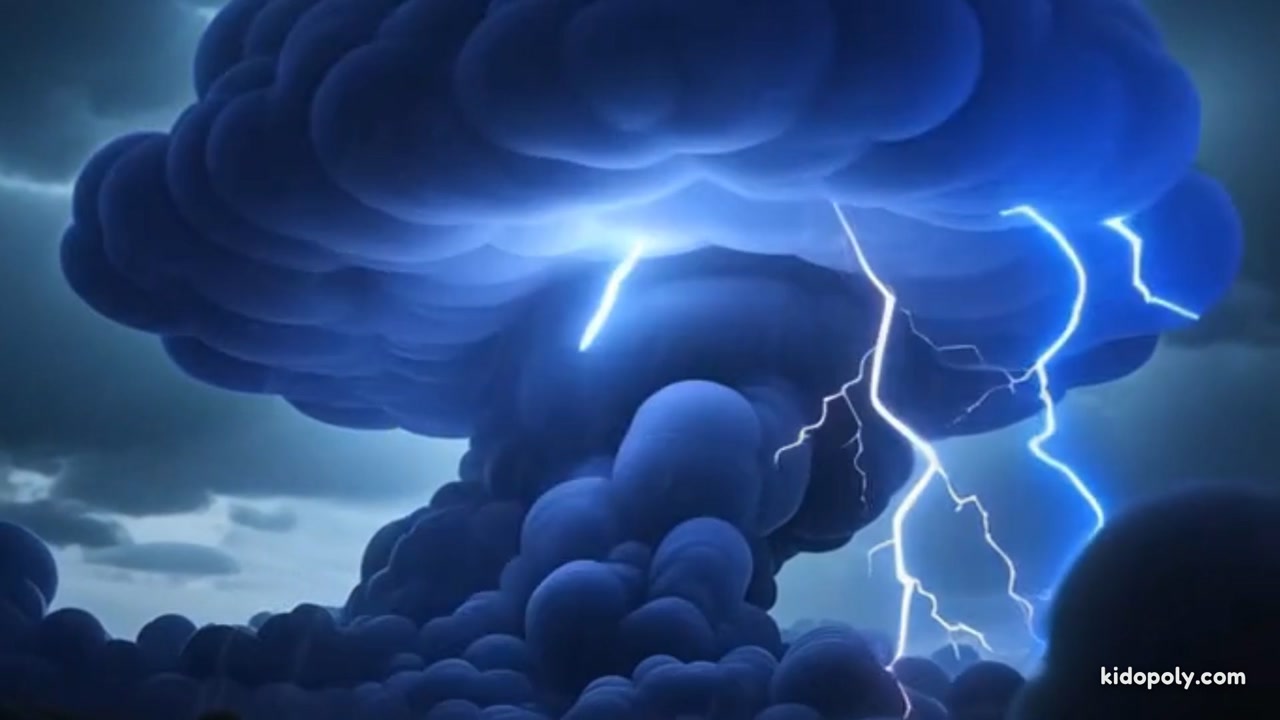
When you see a flash of lightning, you are witnessing one of the most powerful events in nature. But the noise that follows, the thunder, is actually a giant air explosion! A bolt of lightning is incredibly hot—reaching temperatures of up to 30,000 degrees Celsius. That is five times hotter than the surface of the sun! This extreme heat makes the air around the bolt expand so quickly that it creates a massive shockwave. This shockwave is what we hear as the booming sound of thunder.

2Light Speed vs. Sound Speed

Have you ever noticed that the light always comes before the sound? That is because light is the fastest thing in the universe, traveling at an incredible 186,000 miles per second. Sound is a bit of a slowpoke by comparison, moving at only about 750 miles per hour through the air. Because light travels so much faster, the flash of lightning reaches your eyes instantly, while the sound waves of the thunder have to travel across the sky to reach your ears. The longer the gap between the flash and the bang, the further away the storm is.

3Why Does Thunder Rumble?

If lightning is very close, the thunder sounds like a sharp, loud crack. However, when a storm is far away, it sounds more like a low, rolling rumble. This happens because the sound waves are bouncing off clouds, trees, and buildings as they travel toward you. These echoes reach your ears at slightly different times, stretching the sound out into a long rumble. By counting the seconds between the lightning and the thunder, you can even estimate the distance: for every five seconds you count, the storm is about one mile away!

Video Transcript

Introduction

Have you ever wondered why thunder rumbles and cracks after you see lightning? Thunder is actually the sound of air exploding! When lightning zips through the sky, it heats the air around it hotter than the surface of the sun in a tiny fraction of a second. This super-hot air expands incredibly fast, creating a powerful shockwave that we hear as thunder. It is a giant, noisy air explosion!

Key Facts

Did you know the air around a lightning bolt can be hotter than the surface of the sun, reaching up to thirty thousand degrees Celsius? Also, the sound of thunder can travel for many miles, but light travels much faster, which is why we always see the lightning before we hear the thunder. If lightning is very close, thunder will sound like a sharp crack, not a long rumble.

Think About It

If you see a flash of lightning and then hear the rumble of thunder a long time later, what does that tell you about how far away the storm is?

The Answer

If you hear thunder a long time after seeing lightning, it means the lightning strike was quite far away! This is because light travels much, much faster than sound. The longer the wait between seeing the flash and hearing the boom, the further away the thunderstorm is from you.

Frequently Asked Questions

How can you tell how far away lightning is?

You can use the 'Flash-to-Bang' method by counting the seconds from when you see lightning until you hear the thunder. For every five seconds you count, the lightning strike is approximately one mile away from your location.

Why does thunder sometimes sound like a long rumble?

Thunder rumbles when the sound waves bounce off objects like mountains or different layers of clouds. Because these echoes reach your ears at different times, the sharp crack of the air explosion turns into a long, rolling sound.

Can there be thunder without lightning?

No, thunder is always caused by lightning heating the air. Even if you don't see a flash, the lightning might be hidden inside a cloud or happening too far away for the light to reach you, even though you can still hear the sound.

Is thunder dangerous for kids to hear?

The sound of thunder itself isn't dangerous, but it acts as a very important warning from nature! If you are close enough to hear thunder, you are close enough to be struck by lightning, so it is always smartest to head indoors when the rumbles begin.

Watch More Videos

Discover fun educational videos about science, history, animals, and more.

Explore All Videos
Audience Debug