Insects 1:00

Amazing Insect Teams for Kids

1The Power of the Colony

In the world of insects, being small doesn't mean you are weak! Some of the most successful creatures on Earth are "social insects," which means they live in large, organized groups called colonies. An ant colony is a perfect example of a "superorganism," where thousands or even millions of individuals act like one giant body. While a single ant might not be able to do much on its own, a team of ants can carry objects 50 times their own body weight, bridge gaps with their own bodies, and build underground cities that stretch for several meters! They stay organized by using special chemicals called pheromones, leaving scent trails to tell their friends exactly where to find the best snacks.

2Busy Bees and Geometric Genius

Honeybees are another world-class example of teamwork in action. A single hive can be home to over 50,000 bees, all working toward the same goal: keeping the hive healthy and making delicious honey. To save space and keep the hive strong, bees build their homes using perfect hexagons. This is a shape that uses the least amount of wax while holding the most weight! While the Queen Bee is busy laying up to 2,000 eggs a day, worker bees are out flying for miles to visit thousands of flowers. When a bee finds a great patch of flowers, she goes back to the hive and performs a "waggle dance" to show her teammates exactly which direction to fly. This incredible communication is why bees are some of nature's best foragers.

3Special Jobs for Everyone

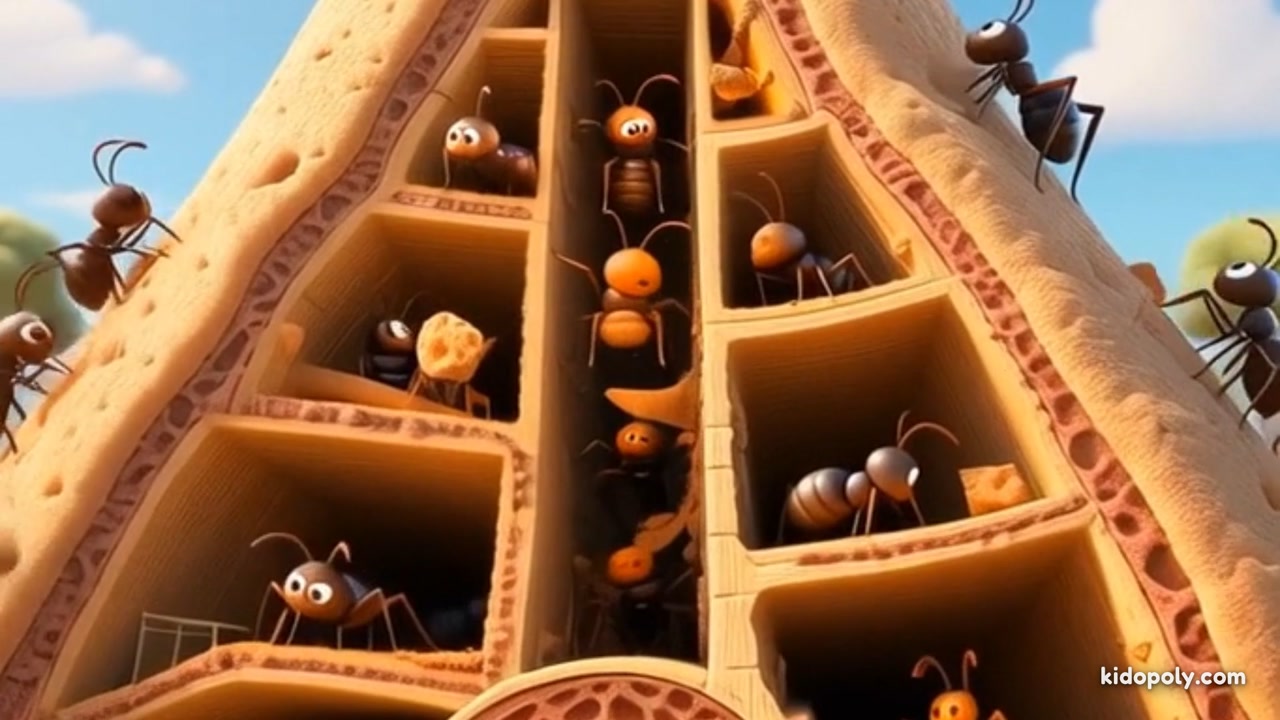
What makes these teams so successful is that every insect has a specific career. In a termite mound, which can grow taller than a human, there are "nursery workers" who look after the babies, and "ventilators" who ensure the mound stays cool. Soldier ants are born with extra-large heads and powerful jaws specifically for fighting off predators like spiders or other ant colonies. Meanwhile, "scout" ants are the explorers, bravely heading out into the unknown to map the territory. By dividing the work, these tiny architects and explorers prove that when we work together, we can achieve things that would be impossible to do alone!
Video Transcript

Introduction

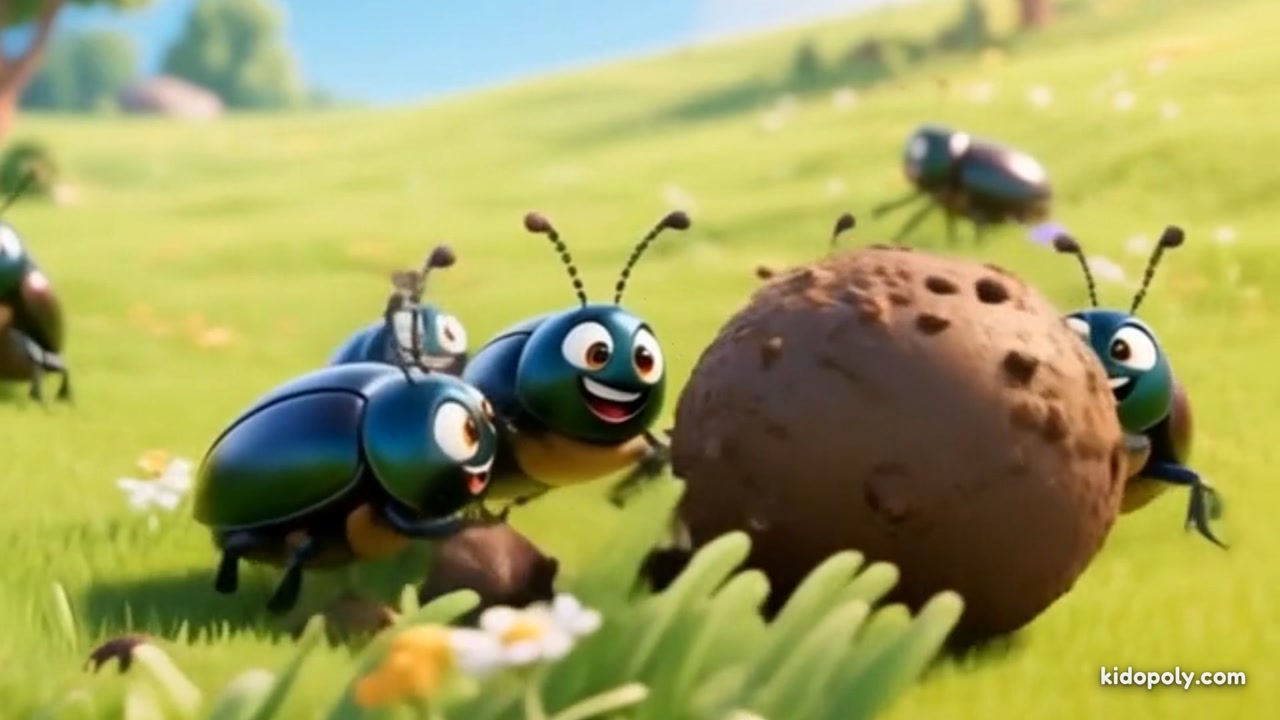
Some insects are incredible team players, living in huge families where everyone has a special job! From queens to workers, they all work together to build, find food, and protect their home. These 'social insects' create amazing societies, showing how powerful teamwork can be, even for the tiniest creatures on Earth.

Key Facts

Did you know that an ant colony can have millions of individuals, all working together for the good of their home? Each ant has a specific role: the queen lays eggs, worker ants find food and care for the young, and soldier ants protect the colony. Honeybees also live in highly organised teams, with thousands of bees working together to make honey and build their intricate hexagonal hives.

Think About It

What happens to an insect colony if the queen, who lays all the eggs, suddenly disappears?

The Answer

If the queen disappears, the colony faces a big problem. Without a queen, no new eggs can be laid, meaning no new worker or soldier insects will be born. Over time, as the existing insects get older and die, the colony will shrink and eventually disappear. In some special cases, a new queen might be raised from a young larva, but this does not always happen.

Frequently Asked Questions

How do ants talk to each other if they don't have voices?

Ants communicate using their antennae and special smells called pheromones. By leaving different scent trails, they can tell their teammates where food is, warn them of danger, or even identify which family member belongs to their colony.

Do all bugs live in teams or colonies?

No, most insects are actually 'solitary,' meaning they live and hunt all by themselves. While ants, bees, and termites are famous for their teamwork, bugs like dragonflies, ladybugs, and praying mantises usually prefer to work alone.

How long can a queen ant live compared to her workers?

Queen ants are the champions of the insect world and can live for 15 to 30 years in some species! In contrast, worker ants usually only live for a few months to a year because their jobs are very tiring and dangerous.

Why do bees make their hives in the shape of hexagons?

Bees use hexagons because they are the most efficient shape in nature. Hexagons fit together perfectly without leaving any gaps, meaning the bees use less wax to build a structure that is incredibly strong and can hold a lot of heavy honey.

Watch More Videos

Discover fun educational videos about science, history, animals, and more.

Explore All Videos
Audience Debug