Environment 1:00

Seeds On Journeys for Kids

1Flying and Floating Seeds

Imagine being a tiny seed that needs to find a home! Since mother plants can’t walk, they turn their seeds into little adventurers. Some plants, like dandelions, create fluffy "parachutes" so their seeds can drift on a breeze for miles. Others, like the giant coconut, are built like sturdy boats. A coconut can survive bobbing on salty ocean waves for over 100 days—that's more than 3 months! They travel across entire oceans until they hit a sandy beach where they can finally put down roots and grow into a palm tree.

2Hitchhikers and Explosions

Nature has some very sneaky ways of moving seeds around. Have you ever found a prickly "burr" stuck to your socks? Those are seeds from the Burdock plant, and they use tiny hooks that work exactly like Velcro! They grab onto animal fur or even your clothes to catch a free ride to a new neighborhood. But some plants are even more dramatic—they use "ballistic dispersal." When their seed pods get dry and tight, they snap open with so much force that the seeds shoot out like tiny cannons, landing up to 15 feet away from the parent plant!

3Why Do Seeds Need to Travel?

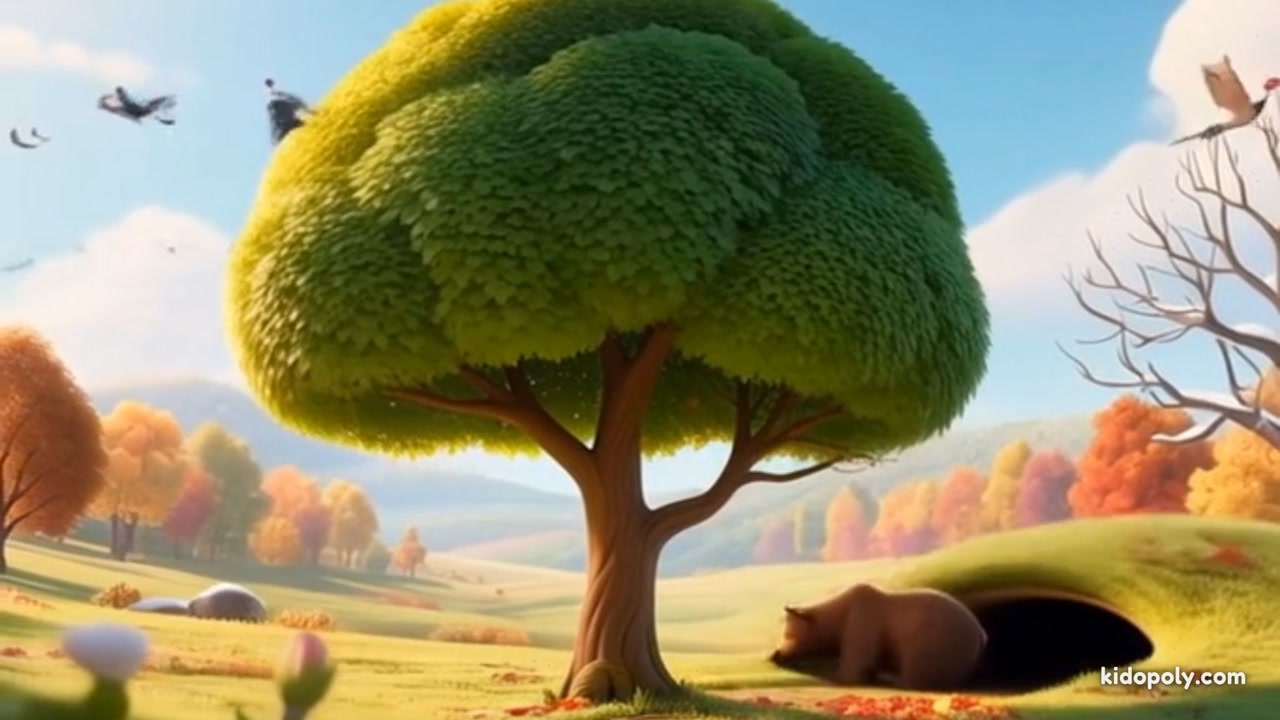
You might wonder why seeds don't just stay where they are. If all the seeds from a big tree fell right under its branches, they would be in deep trouble. The big parent tree would hog all the sunlight with its giant leaves, and its deep roots would drink up all the water. By spreading out, the "baby" plants get their own space to find 100% of the nutrients they need to grow big and strong. This journey is essential for keeping our planet green and making sure different types of plants can survive in many different places.
Video Transcript

Introduction

Plants can't walk, so how do their babies, called seeds, get to new places to grow? It's a journey of clever tricks! Some seeds fly on the wind, some float on water, and others hitch rides on animals. This amazing spread helps plants find new homes and sunlight.

Key Facts

Did you know some plant pods explode when they're dry, scattering seeds far away? Coconuts can float across entire oceans for months before washing ashore and growing into new palm trees! Burdock seeds have tiny hooks that act like Velcro, clinging to animal fur to travel long distances.

Think About It

If a plant's seeds only dropped straight down next to the parent plant, what might happen?

The Answer

If seeds only dropped straight down, too many plants would grow in one small spot. They would all fight for the same sunlight, water, and soil nutrients, meaning many of them would not be able to grow big and strong.

Frequently Asked Questions

How far can a seed travel on its own?

Seeds can travel incredibly long distances depending on how they move. While some "helicopter" seeds from maple trees might only drift a few hundred feet, coconuts can float thousands of miles across the sea to reach entirely different countries!

Why do some seeds have hooks or prickles?

These seeds are specialized "hitchhikers" looking for a ride. The tiny hooks, like those on Burdock seeds, act like natural Velcro to stick to passing animals or human hikers, allowing the seed to travel much further than it ever could on its own.

Can plant seeds really explode?

Yes, some plants like the Squirting Cucumber or Jewelweed use "explosive" pods! When the pod becomes very dry or is touched by an animal, it builds up internal pressure and pops, flinging its seeds several feet into the air to find a new place to grow.

Why is sunlight so important for new seeds?

Seeds need sunlight to perform photosynthesis, which is how they make their own food to grow. If a seed stays in the deep shade of its parent tree, it won't get enough energy to sprout and will likely stay small or fail to grow into a healthy plant.

Watch More Videos

Discover fun educational videos about science, history, animals, and more.

Explore All Videos
Audience Debug