Food 1:00

The Fifth Taste for Kids

1Beyond Sweet and Salty

For a long time, scientists thought humans could only detect four basic tastes: sweet, sour, salty, and bitter. However, in 1908, a Japanese chemist named Dr. Kikunae Ikeda noticed a specific "deepness" in his bowl of seaweed soup that didn't fit into those categories. He named this mysterious sensation "umami," which comes from the Japanese word for deliciousness. It took nearly 80 years for the rest of the world to officially catch up and recognize it as the official fifth taste! Unlike the sharp zing of a lemon or the punch of sea salt, umami provides a rich, lingering sensation that coats the tongue and makes a dish feel complete.

2The Science of Savoury

How does your body actually "find" this flavour? Your tongue is covered in tiny bumps called papillae, which contain your taste buds. Inside those buds are specialized receptors that act like locks and keys. Umami is triggered by a specific amino acid called glutamate. When you eat a slice of aged cheese or a sun-ripened tomato, the glutamate molecules fit perfectly into these receptors, sending a lightning-fast signal to your brain that says, "Aha! We found something nutritious!" This is why umami-rich foods are often described as "moreish"—your brain is actually rewarding you for eating high-protein ingredients that help build strong muscles.

3Umami in Your Kitchen

You don’t need to look far to find this secret flavour in your own home. While many people associate it with soy sauce and miso, umami is hidden in plenty of Western snacks too. Did you know that green peas, toasted walnuts, and even basic ketchup are packed with savoury goodness? Interestingly, the level of umami changes depending on how food is prepared. For example, a raw mushroom has a little bit of umami, but when you cook it down or dry it out, the flavour becomes much more intense. This is why a slow-cooked stew often tastes so much better the next day—the ingredients have had time to release all their secret savoury power!

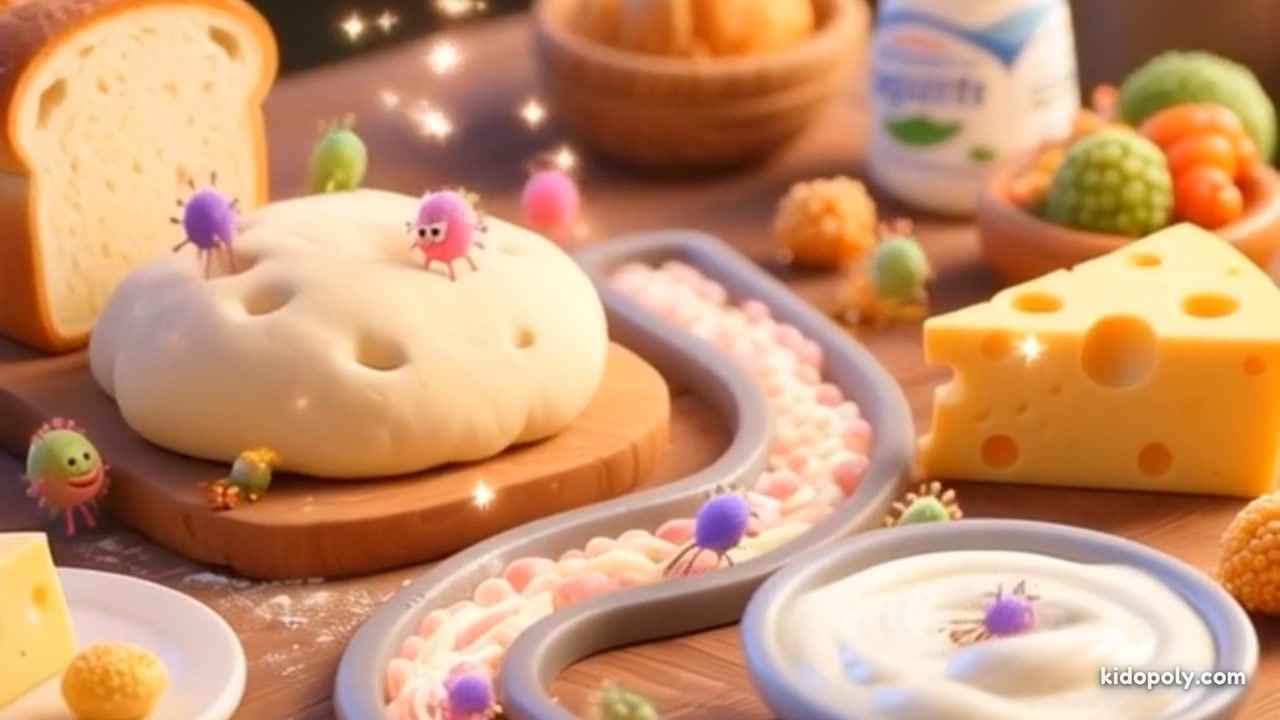
Video Transcript

Introduction

Everyone knows about sweet, sour, salty, and bitter tastes, but there is a secret fifth taste called 'umami'! It is a delicious, savoury flavour that makes food taste really satisfying and 'moreish'. You often find it in foods like ripe tomatoes, mushrooms, and cheese, making them extra tasty and deep.

Key Facts

Did you know 'umami' is a Japanese word that means "pleasant savoury taste"? It was officially recognised as a basic taste in 1985, though it was discovered much earlier in 1908 by a Japanese scientist. Your tongue has special receptors just for umami, helping you detect this unique flavour!

Think About It

Why might tasting umami be important for our bodies?

The Answer

Tasting umami is important because it often signals the presence of proteins in food, which are vital building blocks for our bodies. When our brains detect umami, it is a signal that we are eating something nutritious, encouraging us to eat more of these beneficial foods.

Frequently Asked Questions

What does umami actually taste like?

Umami is often described as a 'meaty' or 'savoury' sensation that spreads across the tongue. It isn't a single flavour like sugar; instead, it adds a sense of richness and depth that makes other foods taste more satisfying and delicious.

Who discovered the fifth taste?

It was discovered by a Japanese scientist named Kikunae Ikeda in 1908 while he was studying the flavour of kombu, a type of edible seaweed. He realized that the savoury taste in his broth was caused by glutamate, a natural building block of protein.

Are there special parts of the tongue for umami?

While old maps of the tongue used to suggest different tastes were only in specific spots, we now know that umami receptors are scattered all over your tongue. This allows you to experience the savoury sensation regardless of how you take a bite!

Why do we crave umami foods?

Our bodies are biologically programmed to seek out umami because it signals the presence of proteins and amino acids. These are essential 'building blocks' that help our bodies grow, repair tissues, and stay healthy, so our brain makes us crave them.

Watch More Videos

Discover fun educational videos about science, history, animals, and more.

Explore All Videos
Audience Debug