Countries 1:00

Upside Down Seasons for Kids

1The Science of the Earth's Tilt

Have you ever wondered why the weather changes throughout the year? The secret lies in the way our planet sits in space. Earth isn't perfectly upright; it actually leans at an angle of about 23.5 degrees. As Earth travels on its long, 365-day journey around the Sun, this tilt means that different parts of the world lean toward the Sun at different times. When the Northern Hemisphere (the top half) is leaning toward the Sun, itaks in all that extra heat and light, creating summer. At the exact same time, the Southern Hemisphere (the bottom half) is leaning away, which means they are experiencing the shorter, colder days of winter!

2Life in the Southern Hemisphere

In countries like Australia, New Zealand, South Africa, and parts of South America, the calendar looks very different from what people in Europe or North America are used to. While kids in New York might be putting on heavy coats and gloves in December, kids in Sydney are likely putting on sunscreen and heading to the beach. Because December falls right in the middle of their summer, the hottest months of the year are actually December, January, and February. This creates some very cool traditions, such as having a "mid-winter" Christmas party in July just to enjoy a hot roast dinner when the weather is actually chilly!

3Adapting to the Opposite Weather

Having opposite seasons changes more than just the holidays; it changes the entire school year too! In the Southern Hemisphere, the long summer break usually starts in mid-December and lasts through January. Imagine finishing your school year right as the Christmas lights go up! Instead of building snowmen, families often celebrate by having a "Barbie" (barbecue) in the backyard or playing a game of cricket in the park. Even though the weather is different, the joy of the seasons remains the same. People simply swap their sleds for surfboards and their hot cocoa for ice-cold fruit drinks to match the sunshine.
Video Transcript

Introduction

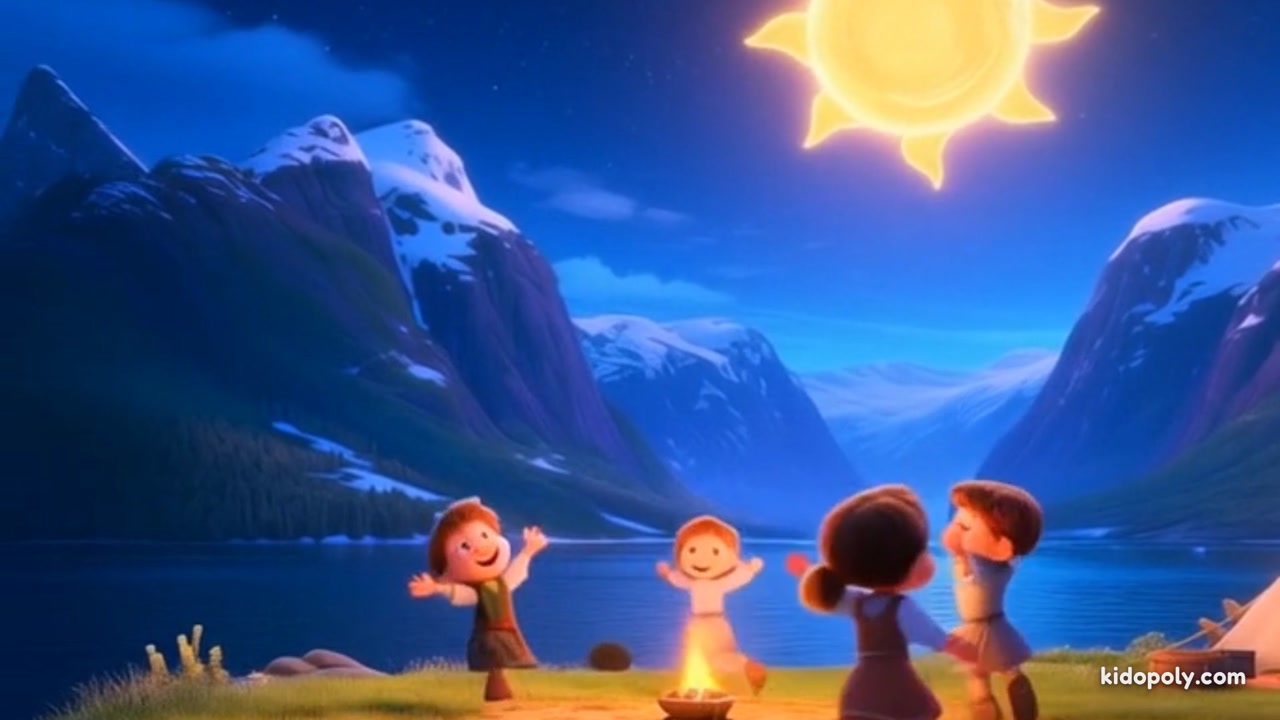
Ever wondered what it's like to have Christmas in summer, or go to the beach in December? In countries like Australia, New Zealand, and South Africa, seasons are opposite to those in Europe and North America! When it is winter for us, it is summer for them, and vice versa. How does that happen?

Key Facts

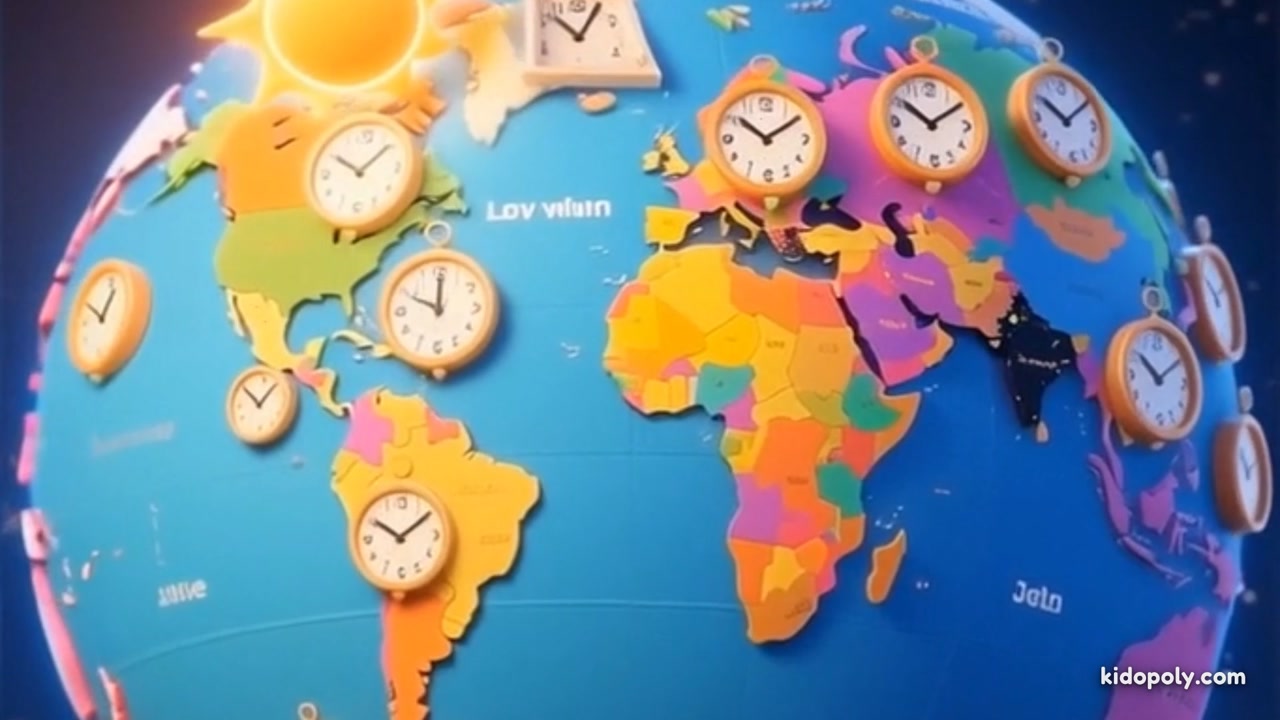
Did you know that because Earth is a sphere and tilted on its axis, different parts of it get more direct sunlight at different times of the year? This means when the Northern Hemisphere is tilted towards the sun, it's summer there, but winter in the Southern Hemisphere. So, a white Christmas means sunshine for them!

Think About It

What would be the most unusual thing about celebrating your birthday or holidays in an 'upside down' season?

The Answer

The most unusual thing is celebrating events often linked to certain weather, like Christmas, in totally different conditions. Imagine having a barbecue for Christmas dinner or building a snowman in July! People in these countries simply adapt their traditions and activities to match their local weather and seasons.

Frequently Asked Questions

Why is it summer in Australia when it is winter in the USA?

This happens because the Earth is tilted on its axis. When the Northern Hemisphere tilts away from the sun, the Southern Hemisphere tilts toward it, receiving more direct sunlight and warmer temperatures.

Do countries in the Southern Hemisphere have Christmas in the winter?

No, they celebrate Christmas on December 25th just like everyone else, but for them, it is the middle of summer. This means their holiday traditions often involve outdoor activities, swimming, and warm-weather foods instead of snow.

Which countries have 'upside down' seasons?

Any country located below the Equator has seasons opposite to those in the Northern Hemisphere. This includes large nations like Australia, South Africa, New Zealand, Brazil, and Argentina.

Do the seasons ever change at the Equator?

The Equator is the middle line of the Earth and stays about the same distance from the sun all year long. Because of this, tropical countries near the Equator don't really have four seasons; they usually just have a 'wet season' and a 'dry season' with warm weather all year.

Watch More Videos

Discover fun educational videos about science, history, animals, and more.

Explore All Videos
Audience Debug