1A Sticky Situation in the Alps
Imagine going for a hike in the Swiss Alps and coming back covered in prickly seeds! That is exactly what happened to a Swiss engineer named Georges de Mestral in 1941. After a long walk with his dog, he noticed hundreds of tiny burr seeds clinging tightly to his clothes and his dog's fur. Most people would just be annoyed, but Georges was curious. He took a seed home and looked at it under a microscope. He discovered that the seeds had thousands of tiny, microscopic hooks that could grab onto anything shaped like a loop. This accidental discovery is a famous example of biomimicry, which is when humans solve problems by copying nature’s brilliant designs.
2The Eight-Year Invention Journey
Even though Georges had a great idea, it was not easy to turn it into a product. It took him eight long years of experimenting to perfect his invention! He had to figure out how to make tiny hooks and loops out of fabric that would not wear out after being pulled apart a few times. He eventually used a material called nylon, which was very strong. He even came up with a creative name for it: Velcro. The name comes from two French words—"velours" (which means velvet) and "crochet" (which means hook). At first, people didn't think it was very useful, but soon it became one of the most famous fasteners in the world.
3From Dog Fur to Outer Space
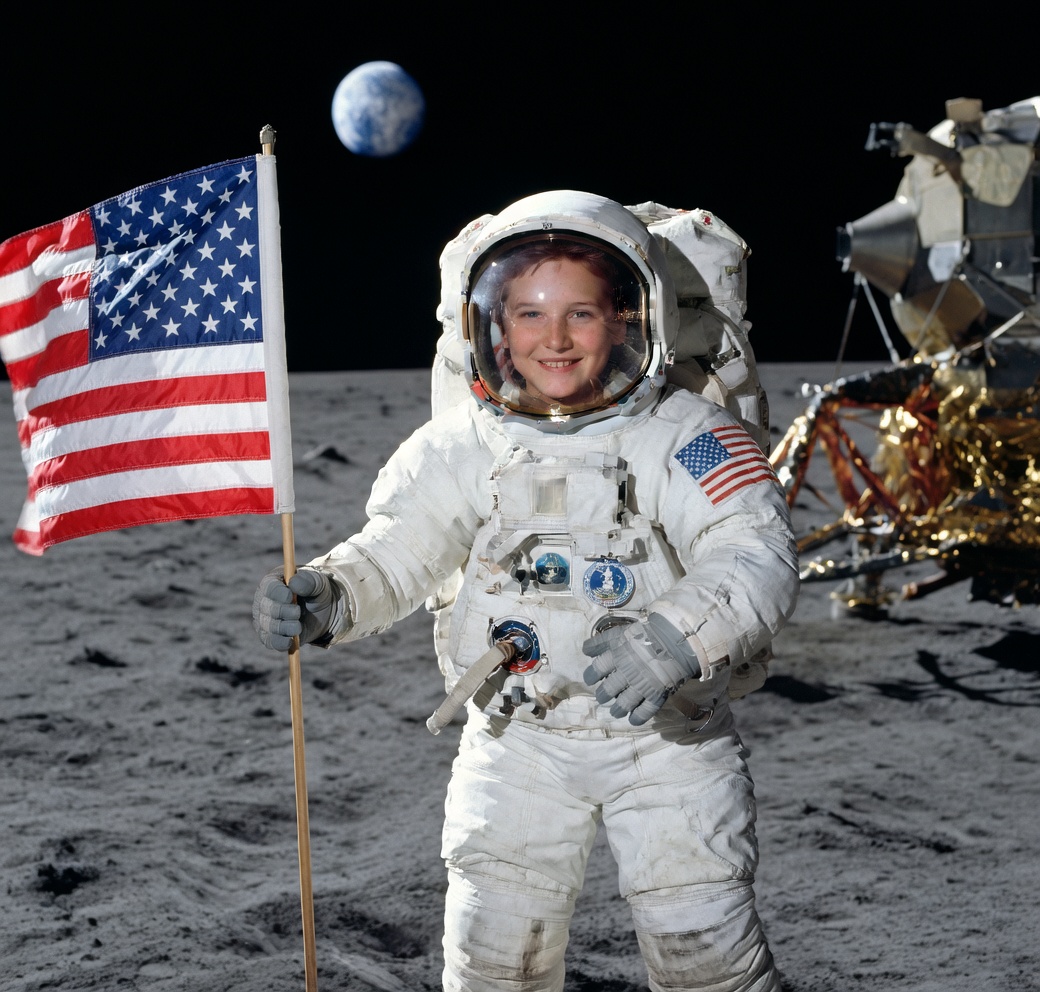
Velcro became a superstar invention when NASA started using it for space travel! In the zero-gravity environment of space, things tend to float away, which can be very dangerous for astronauts. NASA used Velcro to stick everything down, from food trays to tools and even the astronauts' shoes! Today, this amazing invention is everywhere. It is strong enough to support up to 175 pounds per square inch, yet easy enough for a toddler to use on their sneakers. Whether it is helping a scuba diver stay safe underwater or helping you get dressed in the morning, Velcro is a powerful reminder that some of the best ideas are right outside our front door.