1The World Before the Zip
Imagine getting ready for school but having to fasten 20 tiny buttons on each shoe and another 30 on your jacket! Before the zipper was perfected, that was daily life. In the late 1800s, inventors were desperate to find a "fastener" that was quicker than buttons or laces. The first attempt in 1893 by Whitcomb Judson was called the "Clasp Locker," but it was complicated and often popped open at the wrong time. It took another twenty years of tinkering before the world finally got a version that worked every single time.
2The Secret of Interlocking Teeth
So, how does this clever invention stay shut? If you look closely at a zipper, you will see two rows of tiny teeth made of metal or plastic. Each tooth has a small bump (a hook) on the top and a little hole (a hollow) on the bottom. When you pull the slider up, it acts like a wedge that forces the hook of one tooth into the hollow of the tooth directly across from it. Because there are dozens of these pairs locking together at once, the connection is incredibly strong and won't pull apart until the slider comes back down to nudge them loose.
3From Boots to Outer Space
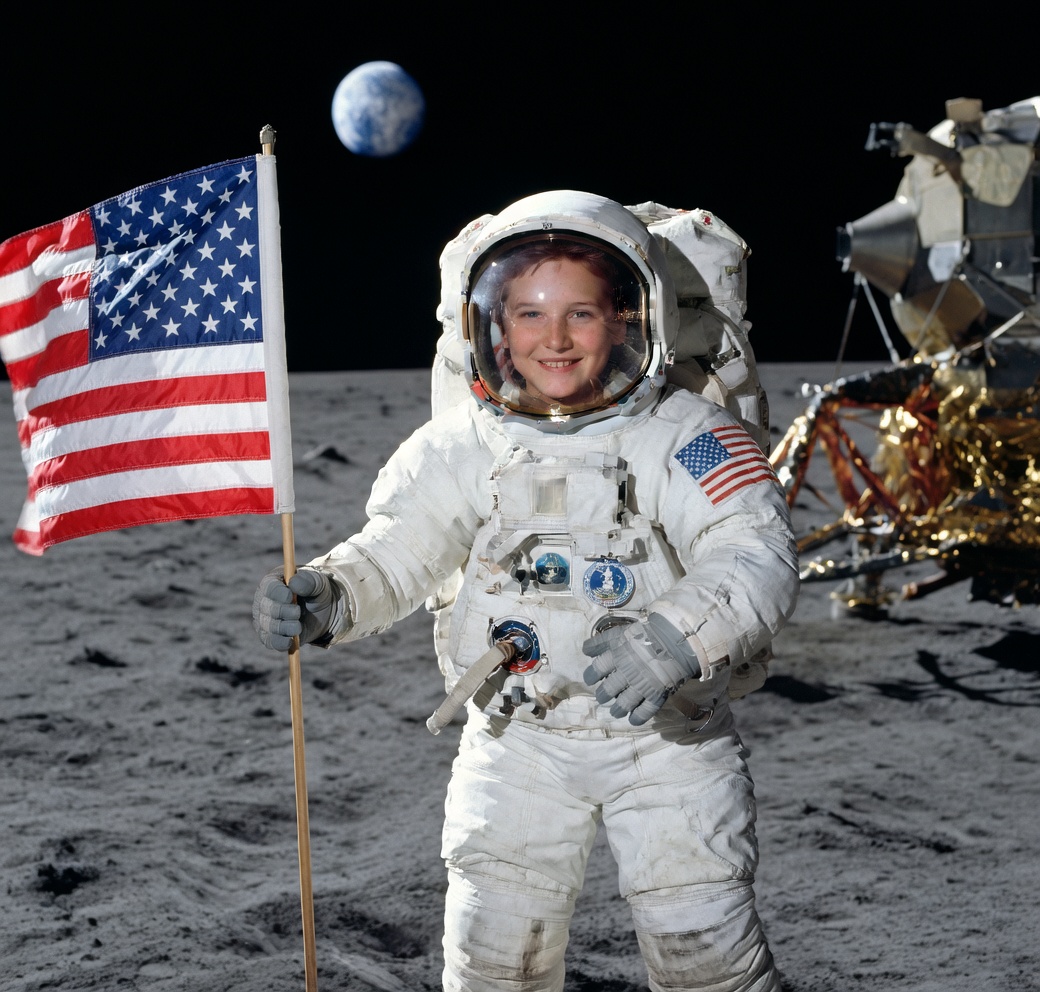
Zippers weren't always used for hoodies and jeans. In the early 1900s, they were mostly used for tobacco pouches and rubber boots. In fact, the name "zipper" was invented by the B.F. Goodrich company because they loved the "zip" sound it made on their new boots! Today, we use zippers for almost everything. They keep campers safe in tents, hold together heavy luggage, and even seal the high-tech pressure suits worn by astronauts in space. It is a simple machine that solved a giant problem!