Inventions 1:00

Zippers for Kids

1The World Before the Zip

Imagine getting ready for school but having to fasten 20 tiny buttons on each shoe and another 30 on your jacket! Before the zipper was perfected, that was daily life. In the late 1800s, inventors were desperate to find a "fastener" that was quicker than buttons or laces. The first attempt in 1893 by Whitcomb Judson was called the "Clasp Locker," but it was complicated and often popped open at the wrong time. It took another twenty years of tinkering before the world finally got a version that worked every single time.

2The Secret of Interlocking Teeth

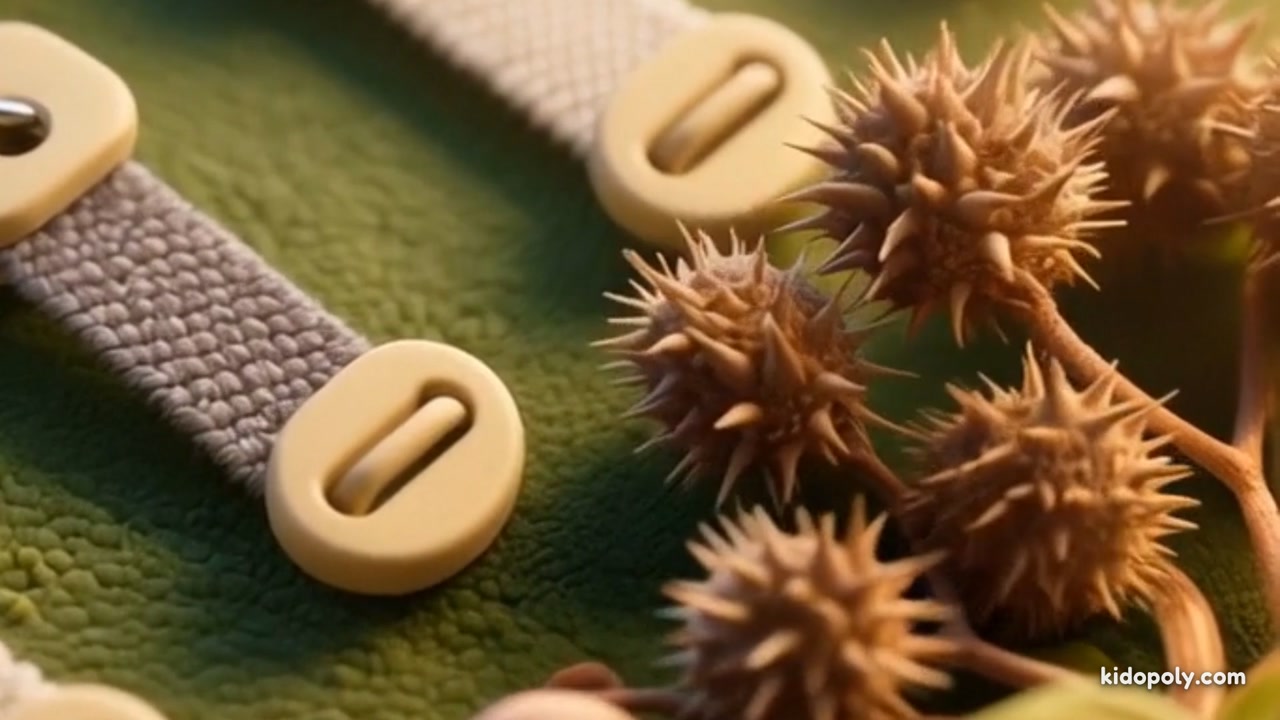
So, how does this clever invention stay shut? If you look closely at a zipper, you will see two rows of tiny teeth made of metal or plastic. Each tooth has a small bump (a hook) on the top and a little hole (a hollow) on the bottom. When you pull the slider up, it acts like a wedge that forces the hook of one tooth into the hollow of the tooth directly across from it. Because there are dozens of these pairs locking together at once, the connection is incredibly strong and won't pull apart until the slider comes back down to nudge them loose.

3From Boots to Outer Space

Zippers weren't always used for hoodies and jeans. In the early 1900s, they were mostly used for tobacco pouches and rubber boots. In fact, the name "zipper" was invented by the B.F. Goodrich company because they loved the "zip" sound it made on their new boots! Today, we use zippers for almost everything. They keep campers safe in tents, hold together heavy luggage, and even seal the high-tech pressure suits worn by astronauts in space. It is a simple machine that solved a giant problem!
Video Transcript

Introduction

Zippers are everywhere, from your jacket to your backpack. But imagine a time before them, when buttons and laces were your only options! It took many inventors to perfect this clever fastener, which uses tiny interlocking teeth to open and close things with a quick pull. It's a brilliant example of how simple mechanics can solve everyday problems.

Key Facts

Did you know the first 'hookless fastener' was invented in 1893, but it was too complicated? It took another inventor, Gideon Sundback, to create the modern zipper we know today in 1913, using interlocking teeth that slide smoothly. Did you also know that early zippers were sometimes called 'separable fasteners' and were first used on boots and tobacco pouches before becoming popular on clothing?

Think About It

How do zippers work their magic to open and close so quickly?

The Answer

Zippers work using two rows of interlocking teeth, usually made of metal or plastic. A slider moves up and down a track, pushing the teeth together to interlock them, or pulling them apart to separate them. Each tooth has a tiny hook and hollow that fit perfectly with its partner on the opposite side, creating a strong, secure closure with a single movement.

Frequently Asked Questions

Who actually invented the modern zipper?

While Whitcomb Judson created an early version in 1893, it was a Swedish-American engineer named Gideon Sundback who perfected the design in 1913. He increased the number of teeth and made them much smaller, which is why our modern zippers glide so smoothly without getting stuck.

Why is it called a zipper?

The word was actually a brand name created by the B.F. Goodrich company in 1923 for their rubber boots. They chose the name because of the 'zip' sound the fastener made when it was pulled quickly, and soon everyone started using the word for the fastener itself!

What materials are zippers made of today?

Zippers are usually made from metal, plastic, or nylon. Metal zippers made of brass or aluminum are very strong and used for heavy items like jeans, while plastic zippers are lightweight and perfect for colorful jackets or backpacks.

How do the teeth stay locked together?

The teeth stay locked because each one has a tiny hook that fits perfectly into a hollow space on the tooth opposite it. The slider acts like a guide that squishes them into this perfect fit, creating a secure seal that can only be broken by the slider moving back down.

Watch More Videos

Discover fun educational videos about science, history, animals, and more.

Explore All Videos
Audience Debug