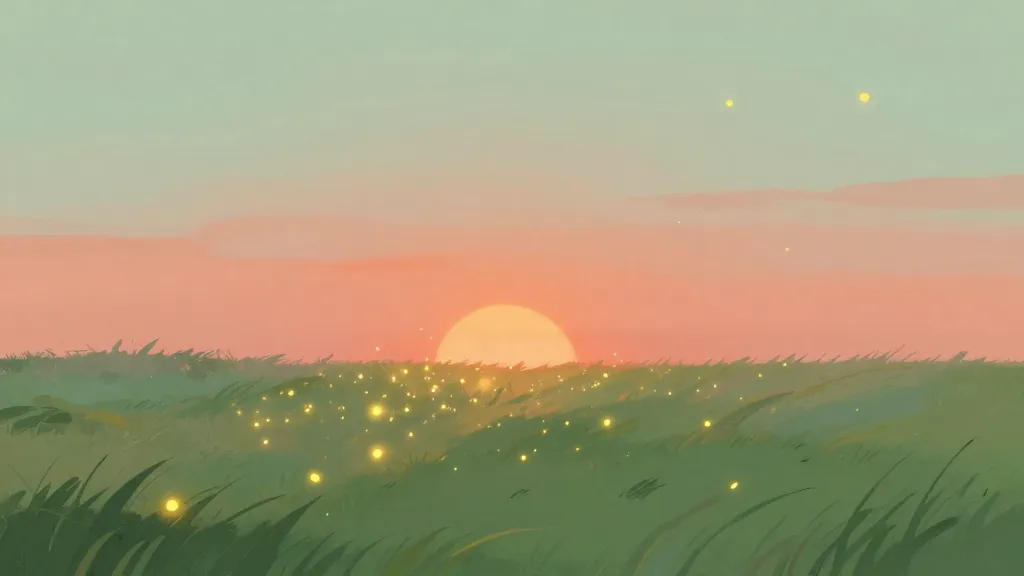
Have you ever felt like a fizzy drink that has been shaken up, just waiting for the cap to pop off?
That buzzing, electric sensation in your chest is Excitement, a powerful state of Anticipation that tells your body and mind that something important is about to happen.
Imagine you are standing at the very edge of a deep, green forest. You don’t know what is inside, but you have a map in your pocket and a backpack full of supplies. Your heart starts to thump a little faster. Your skin feels a bit tingly. This is the beginning of excitement.
Psychologists and historians have spent centuries trying to figure out why humans feel this way. It is not just about being happy. In fact, excitement can sometimes feel a little bit like being scared. It is a signal that you are fully awake and ready to meet the world.
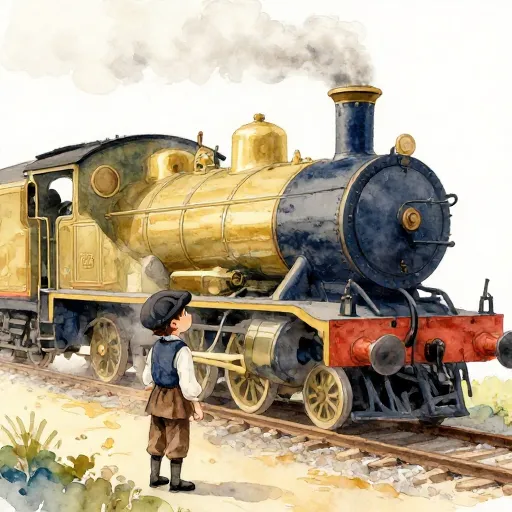
Imagine you are a kid in the year 1830. You have never seen anything move faster than a horse. Suddenly, you see a giant steam locomotive chugging toward you, huffing smoke and whistling. Your heart isn't just beating: it's drum-rolling. That is the feeling of the world changing right in front of your eyes.
Where Does the Word Come From?
To understand excitement, we have to look back at the language of the Romans. The word comes from the Latin word Excitare, which means to rouse, to wake up, or to call forth. When the Romans used this word, they weren't just talking about a kid waiting for a birthday party.
They used it to describe a general waking his soldiers for battle or a person being shaken out of a deep sleep. It was a word of action. It meant that something was moving from a state of rest into a state of energy.
Finn says:
"What if excitement is actually a superpower that helps us do things we're usually too shy to try?"
In the 1600s and 1700s, scientists started to realize that this "waking up" wasn't just in our minds. It was happening in our blood and our nerves. They began to see excitement as a physical force, almost like electricity running through a wire.
The Science of the Shiver
When you get excited, your brain sends a message to your body to prepare for action. This starts in a tiny, almond shaped part of your brain called the Amygdala. It acts like a smoke alarm, noticing when something big is happening in your environment.
Once the alarm goes off, your body releases a chemical called Adrenaline. This is the stuff that makes your heart beat faster and your breathing get shallow. It sends extra oxygen to your muscles so you can run, jump, or dance around the living room.

Animals feel excitement too! When a dog wags its tail or a cat's pupils get very wide right before it pounces on a toy, they are experiencing the same rush of adrenaline and dopamine that you feel when you're about to open a present.
But adrenaline is only half the story. There is another chemical involved called Dopamine. While adrenaline gets your body moving, dopamine makes your brain feel like it is winning a prize. It is the chemical of reward and searching.
When you are excited about a new Lego set or a trip to the zoo, dopamine is what keeps you focused on that goal. It makes the waiting feel like part of the fun. Without dopamine, we wouldn't have the drive to explore new places or try difficult things.

The greatest thing, then, in all education, is to make our nervous system our ally instead of our enemy.
The Two Sides of the Spark
Have you ever noticed that being excited feels almost exactly like being nervous? Your palms might get sweaty. Your stomach might feel like it has butterflies flying around inside. This is because the physiological response for both emotions is nearly identical.
Your brain thinks: 'This is going to be amazing! I can't wait to see what happens next.'
Your brain thinks: 'What if I mess up? What if people don't like me?'
In the 18th century, a thinker named Edmund Burke wrote about something he called The Sublime. He believed that the most exciting things in the world were the ones that were a little bit terrifying, like a massive thunderstorm or a giant waterfall.
He thought that we feel a special kind of thrill when we realize we are safe, but we are looking at something powerful. This is why people love rollercoasters or scary movies. It is the excitement of testing our own bravery from a safe seat.

Mira says:
"It's like my brain is a scientist. When I'm scared-excited, it's checking to see if I'm as brave as I think I am."
The Importance of Play
A famous pediatrician and psychologist named Donald Winnicott spent his whole life watching how children play. He believed that excitement was a sign of what he called Spontaneity. This is the ability to act from your own inner spark rather than just doing what others tell you to do.
Winnicott argued that when a child is truly excited by a game or an idea, they are using their True Self. To him, excitement wasn't just a loud emotion. It was a sign that a child felt safe enough to be creative and messy.

It is in playing, and only in playing, that the individual child or adult is able to be creative and to use the whole personality.
If we never felt excitement, we might never discover who we really are. Excitement acts like a compass. It points us toward the things we care about, the hobbies we love, and the people we want to be around. It is the energy that fuels our growth.
Through the Ages
How people have thought about and chased excitement has changed throughout history. What made a kid in Ancient Egypt excited is very different from what makes you excited today, but the feeling in the chest remains the same.
Through the Ages
In the past, excitement was often tied to big community events. In the Middle Ages, people lived very quiet lives in small villages. A traveling circus or a seasonal fair was so exciting that people would talk about it for months afterward.
Today, we have excitement available at the touch of a button. We can watch a movie, play a video game, or see a video of a volcano erupting whenever we want. This has changed how our brains handle that "shaken up" feeling.
Next time you feel nervous about something, like a school play or a sports game, try saying out loud: 'I am excited!' Since your body feels the same for both, telling your brain it's excitement can actually help you perform better.
When the Spark is Too Hot
Sometimes, excitement can become too much. Have you ever been so excited at a party that you ended up crying or feeling angry? This is called Overstimulation. It happens when your brain's "smoke alarm" stays on for too long and your body runs out of energy to keep up.
Think of excitement like a campfire. When it is burning just right, it is warm and bright and helps you see. But if you throw too many logs on at once, the flames might get too high and become difficult to manage.
Mira says:
"I noticed that when I'm too excited, I forget to listen. It's like the music in my head is playing too loud for me to hear anyone else."
Learning to manage excitement is one of the biggest jobs of growing up. It doesn't mean you should stop being excited. It just means learning how to breathe through the fizzy feeling so you can enjoy it without feeling overwhelmed.

The feeling of friendship is like that of being comfortably filled with roast beef: love is like being enlivened with champagne.
Finding Your Flow
One of the best ways to experience excitement is through something called Flow. This is a term created by the psychologist Mihaly Csikszentmihalyi. He described it as being so involved in what you are doing that you forget about everything else.
Flow happens when you are doing something that is just challenging enough to be exciting, but not so hard that it is frustrating. Maybe you find flow when you are drawing, playing soccer, or practicing a difficult song on the piano.
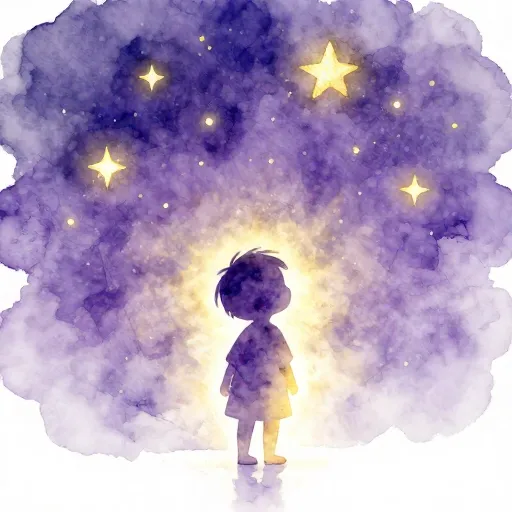
The word 'Enthusiasm' is a cousin to excitement. It comes from an ancient Greek word meaning 'having a god inside you.' The Greeks thought that when you were super excited about an idea, you were literally filled with a divine energy.
In flow, the loud, bouncy excitement of a birthday party turns into a quiet, steady hum of energy. This kind of excitement is like a long-distance runner. It can keep you going for hours and helps you learn things deeply. It is where the best ideas are born.
Something to Think About
If you could capture your excitement in a jar, what color would it be and what would it smell like?
There is no right answer to this. Your excitement is unique to you, and it might change depending on what you are looking forward to!
Questions About Psychology
Why do I sometimes get a stomach ache when I'm excited?
Can you be too excited?
Is excitement the same as happiness?
The Spark is Yours
Excitement is a gift from your brain to your body. It is the energy that helps you explore, the courage that helps you try, and the signal that you are truly, wonderfully alive. The next time you feel that fizz in your chest, take a deep breath and enjoy the ride: you are waking up to the world.
