If you had to build a human being from scratch, what ingredients would you use?
Thousands of years ago, the Maya people lived in the dense rainforests of Mesoamerica. They looked at the mountains, the jaguar, and the maize (corn) growing in their fields, and they saw a world full of deep meaning and mystery. Their stories, known as mythology, weren't just for entertainment: they were a way to understand how the universe works.
Imagine walking through a forest where the trees are so tall they seem to hold up the sky. In the land of the Maya, which covers parts of modern-day Mexico, Guatemala, and Belize, this wasn't just a feeling. It was a fact. The world was a living, breathing place where every stone and stream had a spirit.
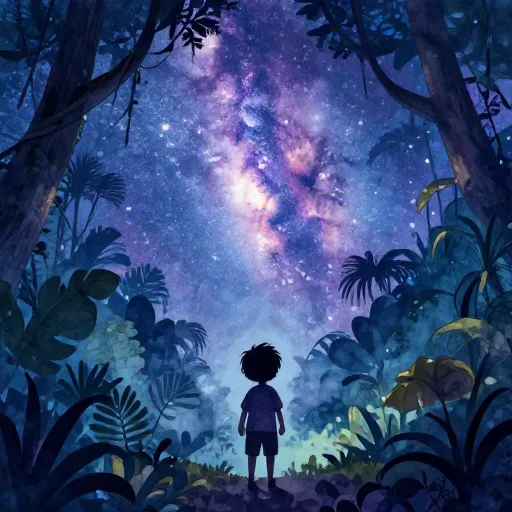
Imagine you are standing in a jungle clearing at night. The air is thick with the sound of cicadas and the smell of damp earth. High above, the Milky Way looks like a giant white road stretching across the sky. The Maya called this the 'Wakah Chan,' the path to the spirit world.
At the heart of Mayan thought is a book called the Popol Vuh. This title means 'The Council Book' or 'The Book of the People.' It is one of the most important pieces of literature in human history. It tells the story of how the world was created, the adventures of two clever twins, and the origin of the first humans.
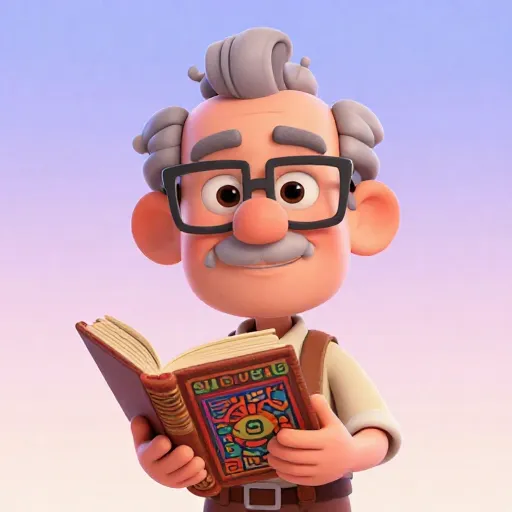
The Popol Vuh is not a book of the past, but a book of the present and the future of the Maya people.
The Three Attempts at Creation
According to the Popol Vuh, the gods tried three times to create humans. They wanted beings who could speak, keep track of the days, and give thanks to their creators. First, the gods made animals, but the animals could only squawk and roar. They didn't have the words to say 'thank you' or 'I see you.'
Next, the gods tried making people out of mud. This was a failure because the mud people were soft and couldn't move properly. They crumbled in the rain and had no minds. The gods then tried making people out of wood. These wood people could walk and talk, but they had no souls and no memories of who made them.
Finn says:
"If the gods tried mud and wood before getting to corn, does that mean they were learning as they went? I like the idea that even creators have to practice to get things right."
Finally, the gods found the perfect ingredient: yellow and white maize. From this corn, they shaped the first four humans. These people were wise, they could see everything in the world, and they understood the mysteries of the gods. This story tells us how much the Maya valued the land, because they literally believed their bodies were made of the food they grew.
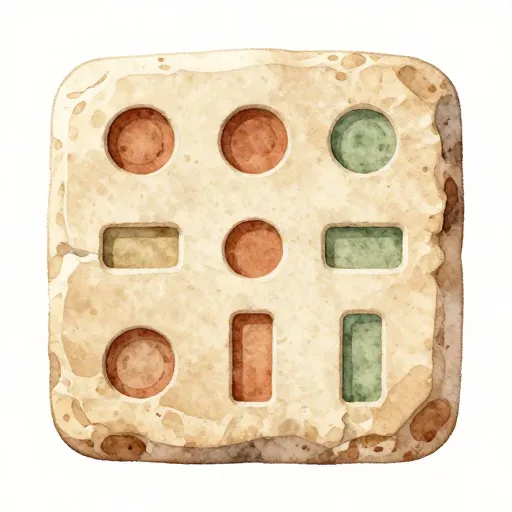
The Maya were math geniuses! They were one of the first cultures in the world to use the number zero. They used a system of dots and bars to count, and their calculations were so accurate they could track the movement of Venus over hundreds of years.
The Hero Twins and the Game of Life
The most famous part of Mayan mythology involves two brothers named Hunahpu and Xbalanque. These are the Hero Twins. They were excellent ballplayers who spent their days playing a game with a heavy rubber ball. The noise of their game bothered the Lords of Xibalba, which was the dark and scary Mayan underworld.
Xibalba was a place of literal terror, filled with real demons and physical traps that the Hero Twins had to defeat to save humanity.
Xibalba represents the 'inner' challenges we all face: our fears, our selfishness, and the parts of ourselves we have to 'defeat' to grow up.
The Lords of Xibalba were powerful and mean. They challenged the twins to come down to the underworld to play a match. But the twins weren't just strong: they were tricksters. They knew the Lords would try to kill them with traps like the House of Cold or the House of Jaguars.
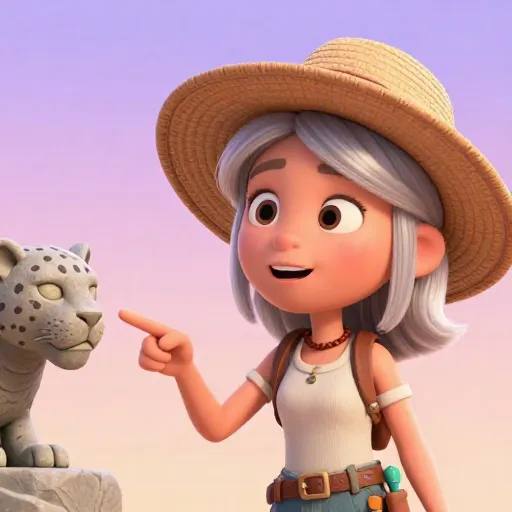
For the Maya, the world was a stage where the drama of the gods was played out every single day.
Using their wits, the twins survived every test. They even died and came back to life, disguised as poor travelers who could perform amazing magic tricks. When the Lords of Xibalba asked to be part of the magic, the twins tricked them into staying dead forever. This story shows that in the Mayan world, being clever and resilient was just as important as being strong.

Mira says:
"The Hero Twins didn't just fight the Lords of Death with weapons: they used magic and puzzles. It makes me think that the best way to handle a 'scary' situation is to keep your brain active and curious."
Time as a Circle
For the Maya, time didn't move in a straight line from 'once upon a time' to 'the end.' Instead, they believed time was a series of repeating cycles. Just as the sun rises and sets, and the corn is planted and harvested, they believed the universe itself goes through periods of birth and rebirth.
The Journey of Mayan Ideas
This cycle is why the Maya were such amazing astronomers. They built massive stone temples that aligned perfectly with the stars and the planets. By watching the sky, they could predict when the rains would come and when the seasons would change. They saw the sky as a giant map of the gods' activities.
The World Tree and the Heavens
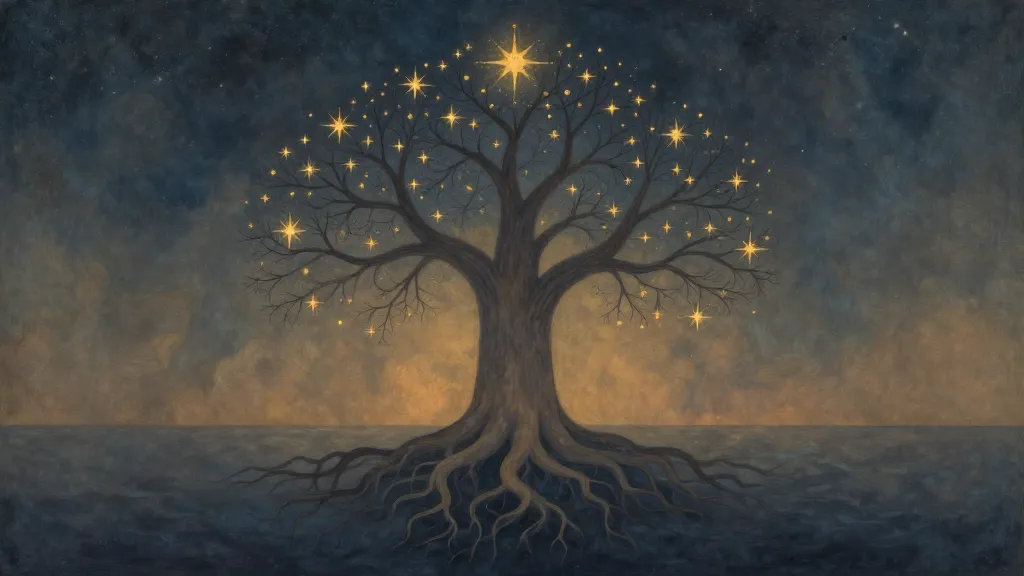
The Maya believed the universe had three layers: the heavens above, the earth in the middle, and the underworld below. These three worlds were connected by a giant tree called the Ceiba tree, or the World Tree. Its roots reached deep into the water of the underworld, while its branches supported the sky.
The next time it rains, don't just see it as weather. Imagine Chac, the rain god, is working in his garden. The Maya believed that rain was a gift from the earth and the gods. If you were a god of nature, what part of the world would you look after? The wind? The bees? The mountains?
Gods lived in all these layers. There was Itzamna, the wise old creator who invented writing and books. There was Ix Chel, the goddess of the moon and weaving, who looked after mothers and healing. And there was Chac, the rain god, who struck the clouds with a lightning axe to make it pour.
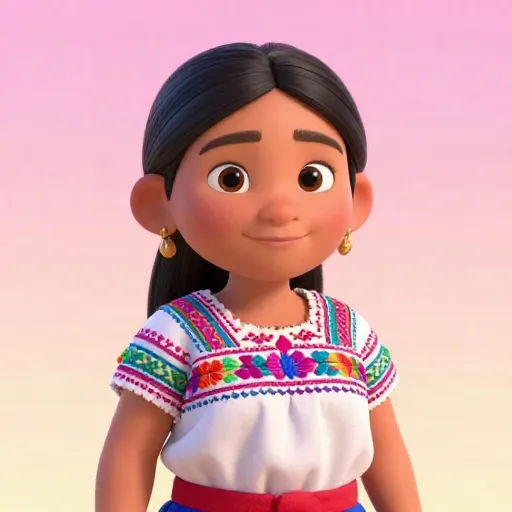
We are not myths of the past, ruins in the jungle, or zoos. We are people and we want to be respected.
Why These Stories Matter Today
You might think these stories are just ancient history, but they are still very much alive. Millions of Maya people live in Central America today. They still speak Mayan languages and many still follow the traditions of their ancestors. They might not live in stone cities anymore, but the respect for nature and the cycle of the seasons remains.
Finn says:
"If time is a circle like the Maya said, then everything we do right now is part of a pattern that happened before and will happen again. That makes every single day feel really important."
When we study Mayan mythology, we are looking at a way of being in the world that celebrates connection. We are connected to the plants we eat, the stars we see, and the stories of those who came before us. It is a world where even the scariest underworld can be faced with a bit of cleverness and a heavy rubber ball.
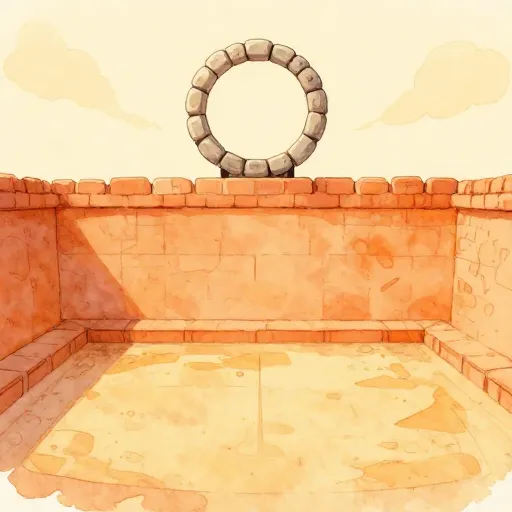
The Mayan ball game, called Pitz, was played with a solid rubber ball that could weigh up to 9 pounds! Players could only use their hips, thighs, and upper arms to keep the ball in the air. It was a sport, a religious ritual, and a way to solve arguments between cities.
Learning about the Maya reminds us that there is more than one way to see the world. While we use microscopes and computers to understand life, the Maya used the stars and the seasons. Both ways show us that the world is a place of wonder, full of secrets waiting to be discovered by anyone who cares to look closely.
Something to Think About
If you were writing a story about how humans were made today, what ingredient would you choose?
The Maya chose corn because it was their life-source. Think about what connects all humans today. Is it something from nature, something we've built, or something we feel? There are no wrong answers here.
Questions About Religion
Are the Mayan gods real?
What happened to the Maya?
Why is the Popol Vuh so important?
A World That Breathes
Mayan mythology asks us to look at the world as if it were a giant, interconnected puzzle. Every plant, every star, and every person is a piece of the story. Whether you are eating a corn tortilla or looking up at the night sky, you are touching a world that the Maya explored with wonder and wisdom long ago.
