Si miras un bosque en otoño, ves las hojas volverse doradas y caer al suelo.
Esto es parte del ciclo natural de la biología, pero para los humanos, el final de la vida se siente mucho más grande y misterioso. Usamos la filosofía y la historia para ayudarnos a entender qué significa cuando una vida se detiene, y cómo podemos atesorar los recuerdos de aquellos a quienes amamos.
Es una de las preguntas más antiguas del mundo. Desde que los primeros humanos miraron a las estrellas, se han preguntado a dónde vamos cuando nuestros cuerpos dejan de funcionar.
Esto es algo profundo de pensar. Puede sentirse como un viento frío o una habitación silenciosa. Pero los humanos somos muy buenos encontrando maneras de mantenernos abrigados y llenar el silencio con historias e ideas.
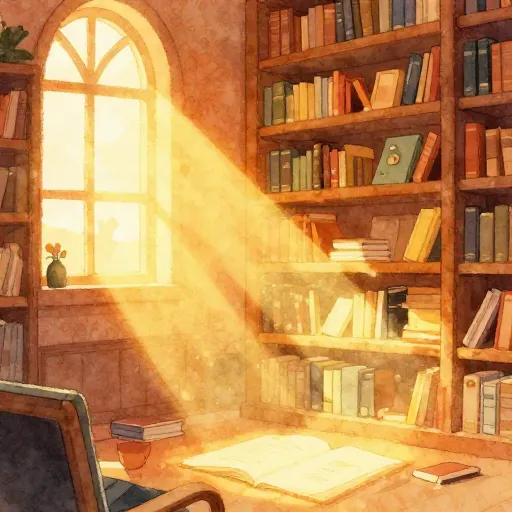
Imagine you are standing in a huge library. Every book is a person's life. When a book is finished, the story doesn't disappear: it stays on the shelf for others to read, learn from, and remember forever.
Cuando hablamos de la muerte, en realidad estamos hablando de dos cosas diferentes. Hablamos del cuerpo, que podemos ver, y hablamos de la conciencia, la parte de ti que piensa, sueña y se siente como "tú".
Los historiadores han descubierto que incluso hace 50,000 años, la gente pensaba en esto. Entierran a sus amigos con flores y cuentas, lo que nos dice que creían que, aunque el cuerpo se hubiera detenido, algo importante permanecía.
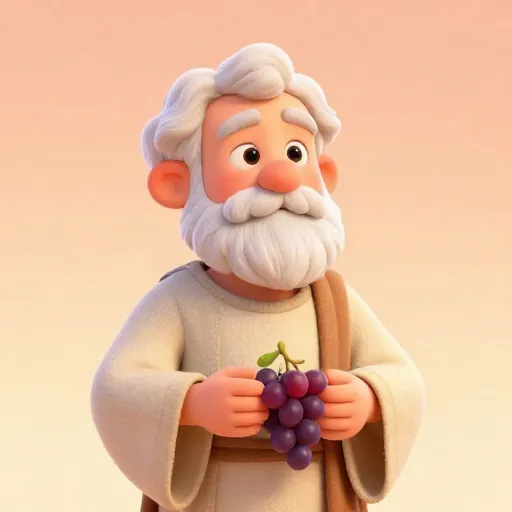
Death is nothing to us. When we exist, death is not; and when death exists, we are not.
La Ciencia de la Materia
Una forma de verlo es a través de la lente del materialismo. Esta es la idea de que todo en el universo está hecho de materia, y cuando un ser vivo muere, su materia simplemente cambia de forma.
Tu cuerpo está hecho de átomos que han existido desde el principio del universo. Cuando una persona muere, esos átomos no desaparecen: regresan a la tierra para formar parte de la hierba, los árboles y, con el tiempo, otras cosas vivas.
Finn says:
"So, wait... if I'm made of atoms from stars, does that mean I'm technically billions of years old already? That makes the 'ending' part feel a little less lonely."
En la ciencia, hay algo llamado la Ley de Conservación de la Energía. Dice que la energía no se puede crear ni destruir: solo puede cambiar de una forma a otra.
Piénsalo como una vela. Cuando la llama se apaga, el calor y la luz no se desvanecen en la nada: se esparcen por el aire de la habitación.
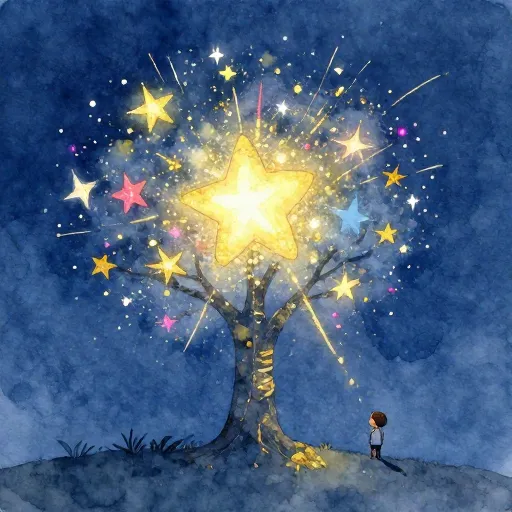
Every atom in your body was once inside a star that exploded billions of years ago. You are literally made of stardust, and that stardust has been recycled through plants, dinosaurs, and oceans before it became you.
La Idea del Alma
Muchas personas a lo largo de la historia han sentido que hay más en una persona que solo átomos. Creen en el alma, una parte de nosotros que no está hecha de materia y que podría continuar después de que el cuerpo se haya ido.
Esta idea se llama dualismo. Sugiere que la mente y el cuerpo son dos cosas distintas, como un conductor y un coche. Cuando el coche deja de funcionar, el conductor puede simplemente bajarse e ir a otro lugar.

Mira says:
"I like the idea that we're more than just our bodies. Like how a song isn't just the speakers it's coming out of: the music is something else entirely."
En la Antigua Grecia, un filósofo llamado Platón dedicó mucho tiempo a pensar en esto. Creía que el alma era inmortal, lo que significa que nunca podría morir.
Pensaba que el alma venía de un lugar de ideas perfectas y que eventualmente regresaría allí. Para Platón, la muerte no era un final, sino una transición a una forma diferente de ser.
The soul takes nothing with her to the next world but her education and her culture.
Cómo las Culturas Han Imaginado el Viaje
Como nadie sabe con certeza qué sucede, diferentes culturas han creado historias hermosas y a veces aterradoras para explicar el viaje. Estas historias son parte de su religión y su historia.
En el Antiguo Egipto, la gente creía que el corazón se pesaría contra una pluma. Si el corazón era ligero porque la persona había sido amable y honesta, entraría en un mundo maravilloso llamado el Campo de Juncos.
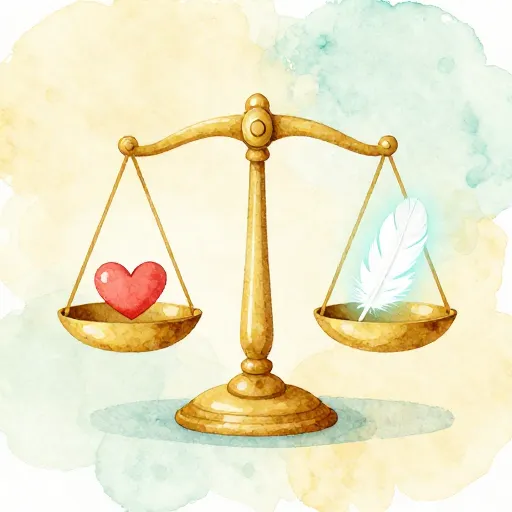
In Ancient Egypt, people believed the goddess Ma'at would weigh your heart against a 'feather of truth.' If you had lived a life of kindness, your heart would be as light as the feather.
En muchas partes del mundo, la gente cree en la reencarnación. Esta es la idea de que el alma nace de nuevo en un cuerpo nuevo, una y otra vez, como un estudiante que avanza a través de diferentes grados en la escuela.
Cada vida es una oportunidad para aprender algo nuevo. Esta idea es una parte importante del Hinduismo y el Budismo, y ayuda a las personas a sentir que la vida es un viaje largo y continuo.
The belief that we are made only of physical matter. When we die, our atoms return to the earth to build new things like trees or flowers.
The belief that we have a soul or mind that is separate from our body. When the body stops, the soul continues its journey elsewhere.
El Poder de la Memoria y el Legado
Incluso si no sabemos a dónde va el "tú", sabemos exactamente dónde se queda tu legado. Un legado es la huella que dejas en el mundo y en las personas que te conocieron.
Cuando alguien muere, sigue vivo en las historias que contamos sobre él. Sigue vivo en la forma en que nos enseñó a atarnos los zapatos, los chistes que contaba o la amabilidad que mostró a un vecino.
Ways We Have Thought About Death
Algunas personas encuentran consuelo en la idea de un cielo, un lugar de paz y reencuentro. Otros encuentran consuelo en la idea de que la muerte es como un sueño profundo y sin sueños donde nada puede hacerte daño nunca más.
Los psicólogos dicen que es normal sentir muchas cosas diferentes a la vez: tristeza, curiosidad o incluso un poco de miedo. Hablar de ello ayuda a que el gran espacio vacío se sienta un poco más como una habitación compartida.
The nitrogen in our DNA, the calcium in our teeth, the iron in our blood... we are made of starstuff.
Sosteniendo la Incertidumbre
Está bien decir "no lo sé". De hecho, esa es la respuesta más honesta que alguien puede dar. El mundo está lleno de misterios, como qué tan profundo es el océano o dónde termina el universo.
No saber no significa que algo sea malo. Solo significa que es más grande que nuestra comprensión actual. Podemos sostener esa incertidumbre juntos, como tomarnos de las manos en la oscuridad hasta que nuestros ojos se acostumbren.
Finn says:
"Sometimes I just want a clear answer, you know? But I guess if we knew everything, there wouldn't be any room left for wonder."
Cuando miramos la historia, vemos que cada persona que ha vivido se ha enfrentado a este mismo misterio. Es lo único que conecta a cada ser humano que ha caminado sobre la Tierra.
Al aprender cómo otros han pensado sobre la muerte, aprendemos más sobre cómo queremos vivir. Aprendemos que cada día es un regalo y que ser amable con los demás es una forma de construir un legado que nunca se desvanece de verdad.
Think of one thing a person has taught you, even if they aren't around anymore. Maybe it's how to whistle or a way to be brave. When you do that thing, you are carrying a piece of them with you. That is a living memory.
Algo para Pensar
If you could design a beautiful place for stories to go after they are finished, what would it look like?
There are no wrong answers here. Some people imagine a quiet garden, others imagine a great library, and some imagine becoming part of the wind. What feels peaceful to you?
Preguntas sobre Psicología
Why do people have to die?
Does it hurt to die?
Where do people go?
The Mystery is a Shared Journey
Talking about death is one of the bravest things a person can do. It doesn't mean we have to have all the answers. It just means we are willing to look at the big questions with an open heart. As you go through your day, remember that you are part of a story that has been going on for billions of years, and your chapter is being written right now.