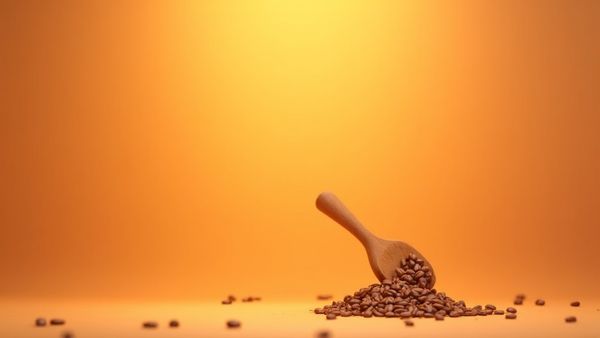
Cacao beans are the seeds from the Theobroma cacao tree, which means "food of the gods." Humans have used them for over 5,300 years, starting in South America. They were once used as money—you could buy a turkey for just 100 beans!
Did you know that the yummy chocolate bar you love started out as a bitter bean grown on a tree in the jungle?
That’s right! The cacao bean, the seed from the Theobroma cacao tree, has an amazing history that stretches back thousands of years! This tree is native to the tropical regions of the Americas. The first evidence of people using cacao dates back at least 5,300 years in South America by the Mayo-Chinchipe culture in what is now Ecuador. For the ancient Maya and Aztecs, these beans were way more important than just a tasty snack—they were sacred and even used as money!

Mira says:
"Wow, Finn! Imagine paying for your favorite toy with beans instead of coins! Cacao beans were so important they were sometimes worth more than gold to the Aztecs. That’s a history lesson worth savoring!"
What is Cacao and Where Did It Come From?
Cacao comes from the Theobroma cacao tree. The name Theobroma actually comes from Greek words meaning “food of the gods”—how cool is that? These trees grow pods that look a bit like colorful footballs, and inside each pod are seeds covered in sweet white pulp. These seeds are the precious cacao beans!
Long, long ago, people didn't eat chocolate as a sweet bar. Instead, they took those beans, fermented them, dried them, roasted them, and ground them up to make a frothy, bitter drink! This wasn't a dessert drink for kids—it was often spicy, mixed with chili peppers, and reserved for important people or religious ceremonies.
Mind-Blowing Fact!
The scientific name for the cacao tree, Theobroma cacao, was given by a Swedish botanist in 1737, inspired by the ancient Greek word for something that gives immortality!
Cacao Beans as Currency: More Valuable Than Gold?
For the Maya and later the Aztecs, cacao beans were essential for buying things. Think of them as ancient cash! Because growing cacao was tricky and it had to be traded from tropical areas, it was very rare and valuable in places like the Aztec capital.
The Aztecs thought these beans were more valuable than gold! You could buy a rabbit for about 10 beans or even a turkey hen for 100 cacao beans. Talk about a high price for a snack!
First evidence by Mayo-Chinchipe in Ecuador
The price in the Aztec market!
Produced in West Africa!
How Did Chocolate Get to Europe?
The amazing cacao bean traveled across the ocean thanks to explorers!
In 1502, Christopher Columbus came across cacao beans on his fourth voyage, but he didn't know how special they were.
A few years later, in 1519, the Spanish explorer Hernán Cortés met the Aztec Emperor Montezuma II, who served him the bitter chocolate drink called xocoatl. Cortés brought the beans back to Spain.
The Sweet Transformation
When the Spanish tried the bitter drink, they weren't fans! So, they decided to sweeten it up by adding sugar, vanilla, and cinnamon.
This new, sweet version became a huge hit with the Spanish kings and queens. Soon, it spread across Europe to the rich people, becoming a fashionable drink in places like France and England in the 1600s!
But the real game-changer for all of us chocolate lovers for kids came later, thanks to science!
💡 Did You Know?
Legend says the Aztec ruler Montezuma II drank up to a gallon of his spiced chocolate drink every single day because he believed it gave him energy and even made women fall in love with him!
🎯 Quick Quiz!
What did the ancient Aztec and Maya people use cacao beans for most often?
From Drink to Delicious Bar: The Modern Chocolate Age
For centuries, chocolate was just a drink. But in the 1800s, big inventions changed everything!
In 1828, a Dutch chemist named Coenraad van Houten invented the cocoa press. This machine squished out the fatty part (cocoa butter), leaving behind a fine powder that mixed easily with water—hello, easier hot chocolate!
- 1847: English company Fry and Sons mixed the cocoa butter back with powder and sugar to create the very first moldable, solid eating chocolate bar!
- 1876: A Swiss chocolatier named Daniel Peter added dried milk to the mix to invent the creamy milk chocolate we know and love today.
- Today, chocolate is a global treat enjoyed in countless delicious ways!
Even though cacao originated in South America, today the largest cocoa-producing region is West Africa, with Ivory Coast and Ghana growing nearly two-thirds of the world's supply!
Questions Kids Ask About Food History
Keep Exploring the Sweet History!
Next time you unwrap a piece of chocolate, remember that tiny bean has a giant history! It was sacred, it was money, and it took a long journey across the world and through time to become the sweet treat you enjoy today. Keep listening to History's Not Boring for more amazing stories!