
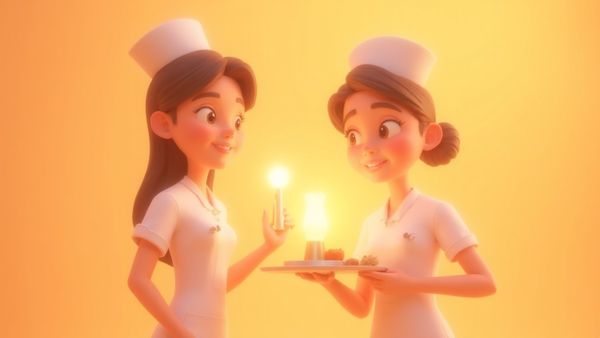
Crimean War nurses were heroic women, like Florence Nightingale and Mary Seacole, who brought medical care and hygiene to crowded military hospitals during the 1853-1856 war. They dramatically cut the death rate from 42% to 2%! Their bravery founded modern nursing, teaching us how cleanliness saves lives.
Did you know that a war fought long ago led to massive changes in how we care for sick people today? Get ready to meet some incredible history heroes who didn't carry swords—they carried lamps and kindness!
The Crimean War, which took place from 1853 to 1856, was a tough fight between Russia and an alliance that included Britain, France, and Turkey. Back then, being a soldier in a hospital was actually much more dangerous than being on the battlefield! Thousands of soldiers were getting sick or hurt, and the hospitals were often crowded, dirty, and seriously lacked supplies. These terrible conditions meant that more men were dying from sicknesses like cholera than from their actual battle wounds. But this is where our heroes step in! Two amazing women, Florence Nightingale and Mary Seacole, decided they couldn't stand by. They traveled to the war zone to bring cleaning, comfort, and real care to the wounded. Their bravery helped change nursing forever, making it the respected job we know today for kids and adults alike!

Mira says:
"Wow, Finn! Imagine working in a place so dark and smelly that getting sick from the mess was more likely than healing! These nurses were like superheroes bringing light and clean sheets where there was only darkness. They showed everyone that taking care of people is one of the most important jobs in the world!"
What is Nursing? And Why Was It So Different Then?
Before our Crimean War heroes, nursing wasn't a respected career, especially for well-educated women. Hospitals were often seen as places where people went to die, not get better. They were often messy, with dirty floors and bedding, and doctors often didn't wash their hands or their tools between patients!
Florence Nightingale came from a wealthy family and felt a strong calling from God to help people. Even though her parents wanted her to get married, she studied hard to learn about nursing in places like Germany. When she arrived in the military hospital at Scutari (in modern-day Turkey), she was shocked by the chaos, but she knew exactly what needed to change!
Mind-Blowing Fact!
Florence Nightingale was so good at using numbers and charts to prove her points that she became an expert in statistics—the science of using data! She used her math skills to show the government exactly how many lives better cleanliness could save.
The Numbers Don't Lie: How Much Difference Did They Make?
When Florence Nightingale first arrived at the main hospital in Scutari, the death rate—that's how many people died—was shockingly high. Some reports say it was as bad as 42%! That means almost half the men who went in for care did not make it out.
By bringing in clean water, fresh food, proper ventilation (letting in clean air!), and teaching strict hygiene rules, Florence and her nurses worked miracles. Soon, the death rate dropped dramatically to only about 2%! That's a huge difference that only organization and cleanliness could make.
Florence first took with her
Florence Nightingale arrived in Turkey
Before Nightingale's help
After Nightingale's reforms
How Did Mary Seacole Become a Battlefield Hero?
While Florence Nightingale was working in the main hospital far from the fighting, another incredible nurse was heading straight for the action: Mary Seacole! Mary was Jamaican, and she had learned healing skills from her mother, who used herbal medicines.
When Mary heard about the war, she wanted to help the wounded soldiers right away. She traveled to London to join Florence Nightingale's team, but sadly, she was turned away. Mary thought maybe it was because she was of mixed race. But a true hero never gives up!
The British Hotel
Undeterred, Mary used her own money to travel to Crimea. She set up her own place right near the battlefield called the 'British Hotel'! This wasn't really a hotel like we think of today; it was a place where soldiers could get hot food, a clean bed, and care, often right after a battle.
💡 Did You Know?
Mary Seacole was so kind and caring, especially because she cooked their favorite foods like stew and rice pudding, that the grateful soldiers nicknamed her 'Mother Seacole'!
🎯 Quick Quiz!
What famous nickname did Florence Nightingale earn because she walked the dark hospital wards at night with a lantern to check on patients?
Why Are These Nurses Still Famous Today?
Both Florence and Mary showed the world that nursing required skill, bravery, and real training. Florence used her fame to create the Nightingale School for Nurses in 1860, making nursing a professional job for women. Mary wrote a book about her adventures, sharing her knowledge, and years later, she was recognized as a national hero too!
- They proved that cleanliness saves lives—sometimes more than medicine!
- They set high standards for nurses, making it a respected career.
- Florence used math (statistics) to prove that good hospitals needed better systems.
- Mary showed incredible courage by setting up care right near the scary fighting!
Because of the hard work of Crimean War nurses like Florence Nightingale and Mary Seacole, all of us today benefit from clean hospitals, trained medical staff, and the understanding that caring for the sick is an incredibly important mission!
Questions Kids Ask About Famous People
Keep Exploring the Stories of Heroes!
Next time you or someone you know visits a hospital or clinic, remember the incredible bravery of the Crimean War nurses! They didn't just patch up soldiers; they fixed an entire system. What amazing changes will YOU make in the world?