The main causes of the First World War are remembered using the M.A.I.N. acronym: Militarism, Alliances, Imperialism, and Nationalism. These four long-term factors created tension before the war officially started in 1914. Learn what made the whole world fight!
Imagine your favorite board game suddenly turning into a real, worldwide shouting match! That’s kind of what happened in Europe over a hundred years ago, leading to the First World War, which they also called the Great War.
This massive fight, which lasted from 1914 to 1918, wasn't started by just one thing—it was like a giant pile of dry leaves waiting for one tiny spark! The war was fought between two giant teams: the Central Powers and the Allied Powers. Before we talk about the *spark*, we need to learn about the *dry leaves*! Historians often use a cool acronym to remember the four big, long-term reasons for the war: M.A.I.N.. This helps us understand the tense way countries were feeling toward each other.

Mira says:
"It’s amazing how big problems can start from things that seem small at first. Learning about M.A.I.N. shows us that getting too competitive with armies and borders can lead to big trouble for everyone!"
What is M.A.I.N.? Unpacking the Causes for Kids
The M.A.I.N. stands for Militarism, Alliances, Imperialism, and Nationalism. Let's break down each one so it makes total sense for us today.
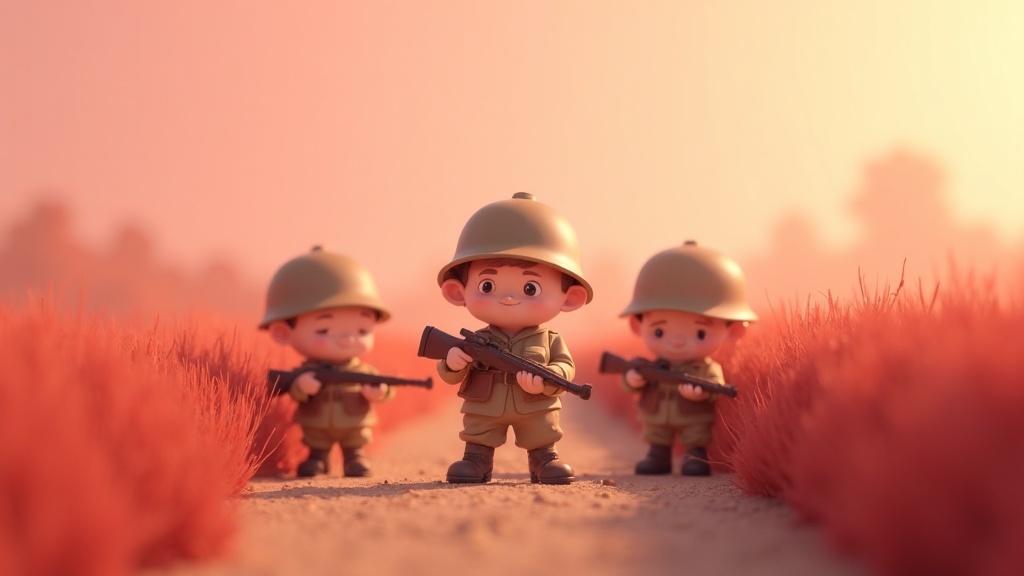
Militarism means a country believes it needs a huge, super-strong army and navy to be powerful. Think of it like everyone in the playground deciding to bring the biggest toy weapon they own, just in case! Countries like Germany were focused on building up their militaries and weapons, creating an atmosphere of suspicion.
Alliances are like secret promises or best-friend pacts between countries. If one friend got into a fight, the other friend promised to jump in and help! By 1914, Europe was tied up in a messy web of these military promises. When one small fight started, all the friends had to join in, making it a huge fight super fast.
Mind-Blowing Fact!
The competition to build the biggest and best navy was a huge part of Militarism, especially between Britain and Germany. Britain felt its huge navy was the glue holding its giant empire together!
Imperialism and Nationalism: Getting Too Big for Their Boots
Imperialism is when powerful countries try to take over other lands around the world to get more resources and look more important. Having a massive empire, like the British one that covered nearly a quarter of the globe, was a big status symbol. This constant grabbing for land meant countries were bumping into each other and getting into arguments!
Nationalism is a super-strong feeling that your country is the best, better than anyone else's! While being proud of your country is great, too much nationalism can make people believe their nation should always come before others, even if it means fighting rivals. This feeling created deep anger between countries, like France wanting back land that Germany had taken years before.
Exactly one month after the spark!
Militarism, Alliances, Imperialism, Nationalism
Over the entire 4-year conflict
How Did the Spark Finally Ignite the Fire?
With all that tension bubbling up (Militarism, Alliances, Imperialism, Nationalism!), all it took was one tiny event to cause a giant explosion. This event is called the assassination of Archduke Franz Ferdinand.
The Day that Changed Everything
Who was he? Archduke Franz Ferdinand was the nephew of the Emperor and was next in line to rule the huge Austria-Hungary Empire.
Where? On June 28, 1914, he was visiting Sarajevo, the capital of Bosnia, which Austria-Hungary had recently taken control of.
The Plotters: A secret group of Serbian and Bosnian nationalists called the Black Hand wanted Bosnia to be free from Austria-Hungary’s rule. They planned to kill the Archduke to cause trouble and push for independence.
💡 Did You Know?
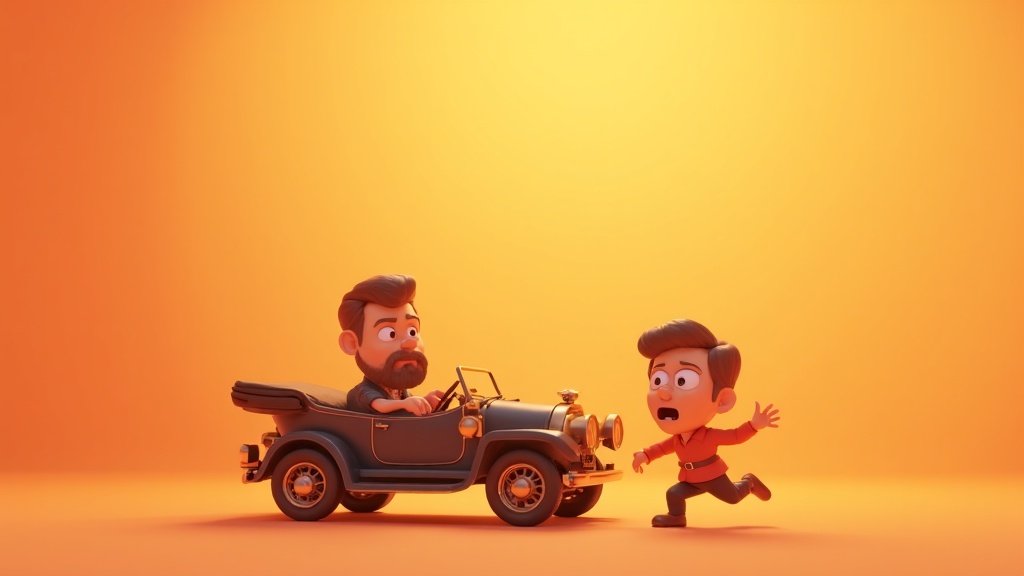
The assassination attempt almost failed! First, a bomb bounced off the Archduke's car and injured other people. Later, the driver took a wrong turn, which accidentally stopped the car right in front of the assassin, Gavrilo Princip, who then shot both the Archduke and his wife, Sophie!
🎯 Quick Quiz!
What is the name of the system of secret promises between countries that helped turn one small fight into a World War?
Why Did Everyone Else Join the Fight?
After the Archduke was killed, Austria-Hungary blamed Serbia and gave them a very tough list of demands. When Serbia didn't agree to everything, Austria-Hungary declared war on Serbia on July 28, 1914! This is where the M.A.I.N. causes made things explode:
Russia, allied with Serbia, started getting its army ready.
Germany, allied with Austria-Hungary, backed them up and then declared war on Russia.
France and Great Britain were allied with Russia, so they had to step in too!
Suddenly, that small argument became a huge European war, drawing in countries from all over the globe!
- Nationalism made Serbia want freedom and made Austria-Hungary determined to punish them.
- Alliances made Russia jump in to help Serbia, which pulled in Germany, France, and Britain.
- Militarism meant everyone was ready to fight and eager to use their massive armies.
- Imperialism had already created bad feelings and competition over land for years before the war started.
It’s a huge lesson for us: when countries are too competitive, too focused on military power, and too tied up in secret promises, even a single tragic event can push the world into a fight that lasts for years and affects everyone! Understanding the causes of WWI for kids helps us see why talking things out is always better than fighting!
Questions Kids Ask About World War I
Keep Exploring History!
Wow, you just learned about one of the biggest events in world history! The causes of World War I show us how important it is to share the world peacefully. Keep listening to History's Not Boring to find out what happened next!