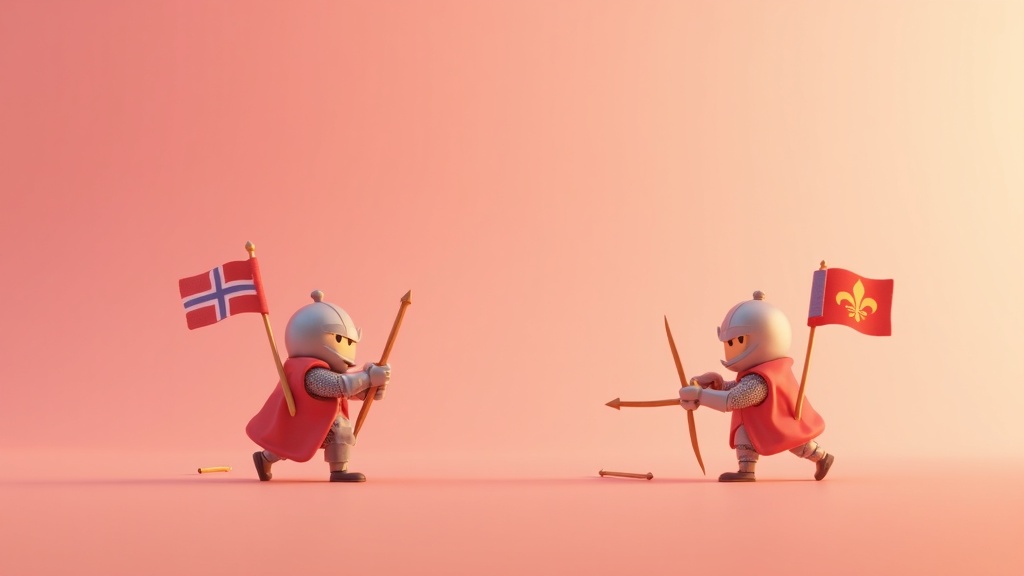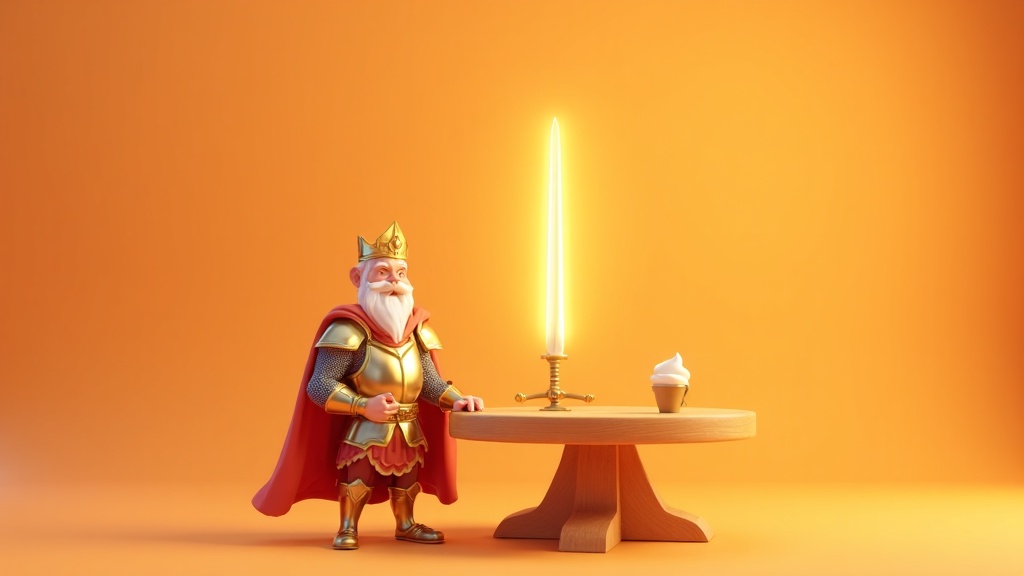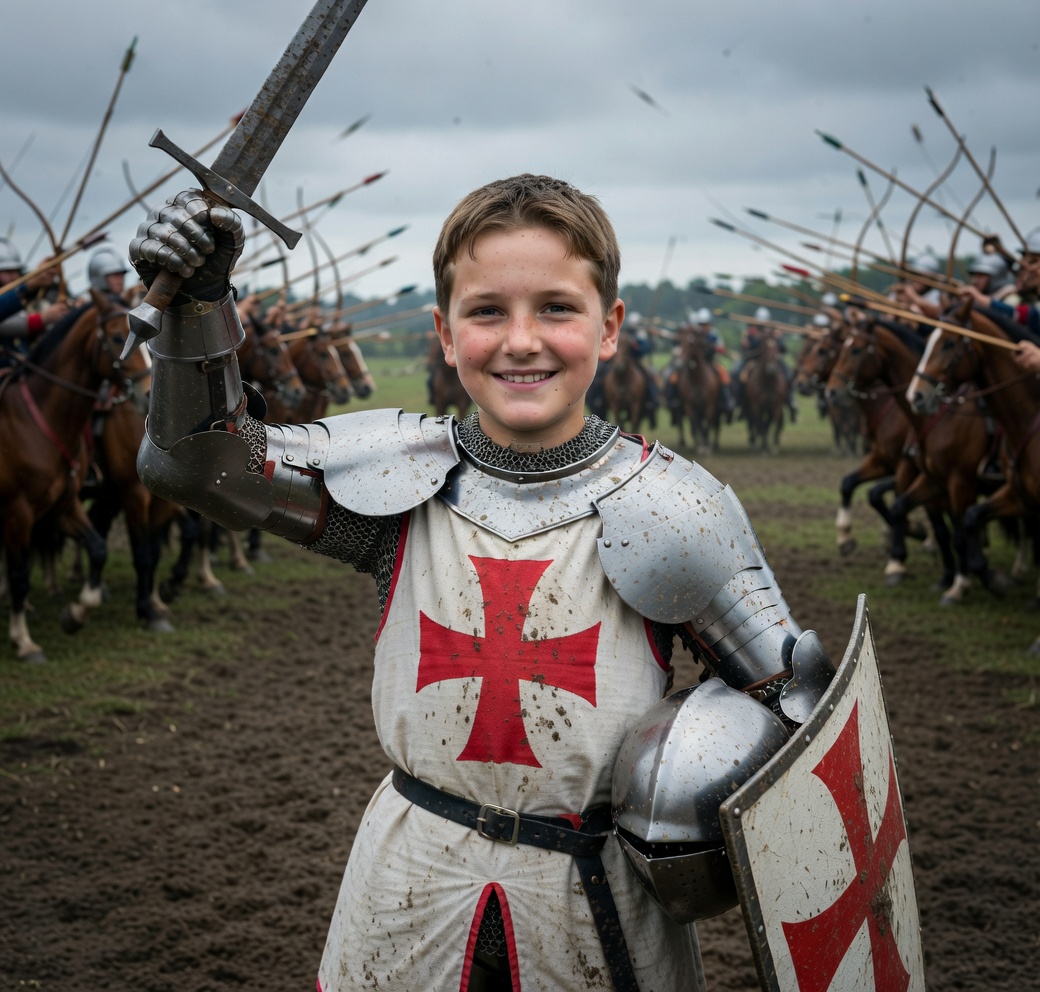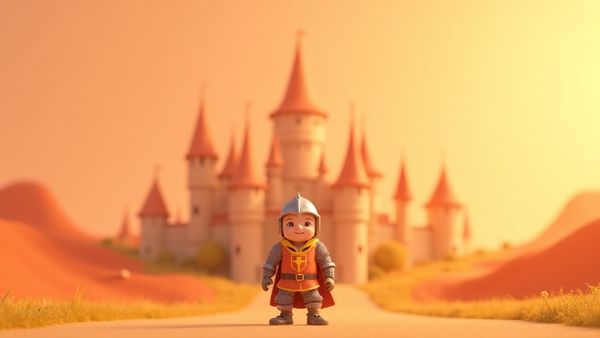
Knights and castles were the ultimate medieval security system! Castles were fortresses built by nobles for defense, often taking up to ten years to complete. Imagine waiting a decade for your home to be ready! Learn about the brave warriors and amazing architecture of the Middle Ages.
Ever wonder what it was like to live when real knights in shining armor guarded massive stone fortresses? Get ready to journey back in time!
The Middle Ages were a super exciting time filled with brave warriors, powerful lords, and amazing buildings called castles. These weren't just big houses—they were fortresses built for serious defense! A stone castle wall could be as thick as 7 feet! But what did it take to defend these strongholds, and what was life like for the knights who lived there?

Mira says:
"I think the coolest part is imagining the sound! Thousands of workers hauling stone, the clang of the blacksmith, and the knights training their horses—it must have been a noisy, busy place!"
What is a Castle, Anyway?
Castles were like the ultimate medieval security system! They were built by powerful nobles, often kings or wealthy lords, to protect themselves, their families, and their land from enemies. These weren't built in a weekend—they took serious planning and a ton of teamwork.
The earliest castles were often made of wood, like big forts called 'motte-and-bailey' castles. But as weapons got better, they needed stronger stuff, so they switched to stone! Stone castles were tough to break down and could stand for hundreds of years.
Mind-Blowing Fact!
The main, strongest tower inside the castle was often called the Keep! It was the last safe spot if the outer walls were breached, and it usually held the best rooms for the lord and lady.
Castle Building: Super Slow Construction!
Building a giant stone castle was a HUGE job. You couldn't just order concrete! You needed thousands of workers, like stonemasons, carpenters, and diggers, all working together.
Depending on the size, a simple stone castle might take about two years to finish, but a really massive one with high walls and lots of towers could take ten years or even longer! Imagine waiting a whole decade for your new house to be done!
(About as tall as 3 elephants stacked!)
(Thick stone to stop catapults!)
(Some took even longer!)
How Did Knights Stay Safe in Armor?
A knight’s armor was their personal superpower suit! But it wasn't the super-heavy, clunky metal you see in some old movies. A full suit of late-medieval plate armor actually weighed about 35 to 55 pounds! That's heavy, but it was spread out over the whole body.
Think of it this way: a modern firefighter often carries 35 to 40 pounds of gear! A knight was specially trained from a young age, so they were strong and balanced perfectly, letting them run, jump, and even mount their horse without needing a crane!
💡 Did You Know?
The armor spread the weight so well that the knight didn't feel like they were just carrying a backpack; it felt more like wearing a second, very hard skin. The best armor often used thicker steel where it needed protection most, like the chest!
🎯 Quick Quiz!
What was the main job of the moat surrounding a castle?
What Were the Castle's Defenses Hiding?
Castles were covered in amazing defenses designed to make life miserable for anyone trying to attack. They had things like arrow loops (narrow slits for archers) and battlements (the up-and-down pattern at the top of the wall where defenders could hide).
One of the most important defenses was the drawbridge and the gatehouse! The gatehouse was often the most heavily guarded part, sometimes having two sets of doors and a portcullis—a heavy metal or wooden grate that could drop down super fast!
- The Keep: The lord's main residence and final stronghold.
- Curtain Walls: The strong outer walls that circled the main yard (the bailey).
- Towers: Added strength to the corners of the walls and gave archers better views.
- Moat: A deep ditch, often filled with water, to stop siege engines like battering rams.
Even with all this protection, castles sometimes had to deal with messy problems like sewage! Sometimes, the moat was designed to flow away from the castle, acting as a kind of ancient sewer system for waste, especially if it was a wet moat connected to a river.
Questions Kids Ask About Medieval History
Keep Exploring the Middle Ages!
Knights and castles tell us so much about how people lived, fought, and built things hundreds of years ago. From super-thick walls to custom-made armor, the Middle Ages were truly a time of amazing history and engineering! Keep listening to History's Not Boring to discover more awesome stories from the past!