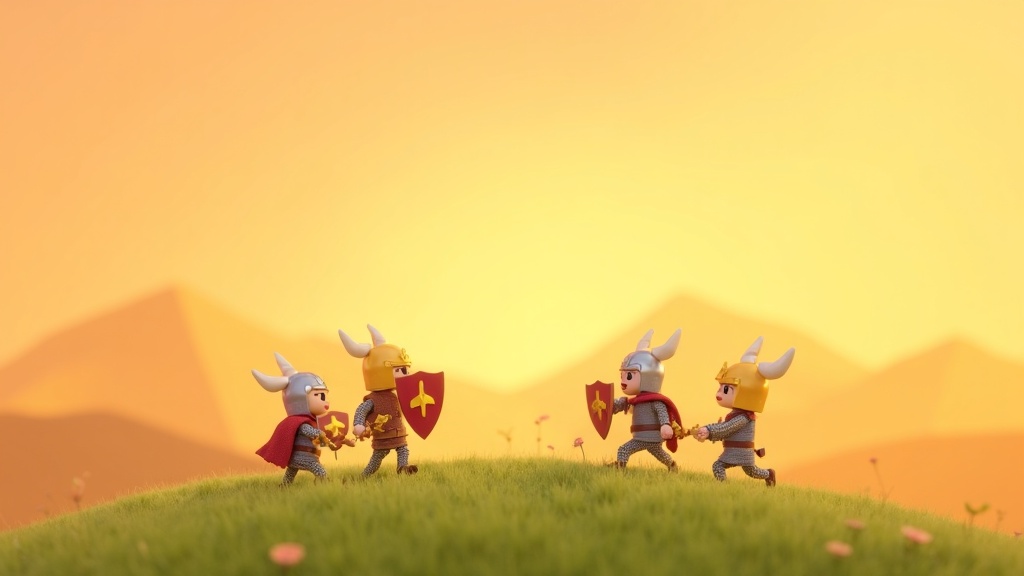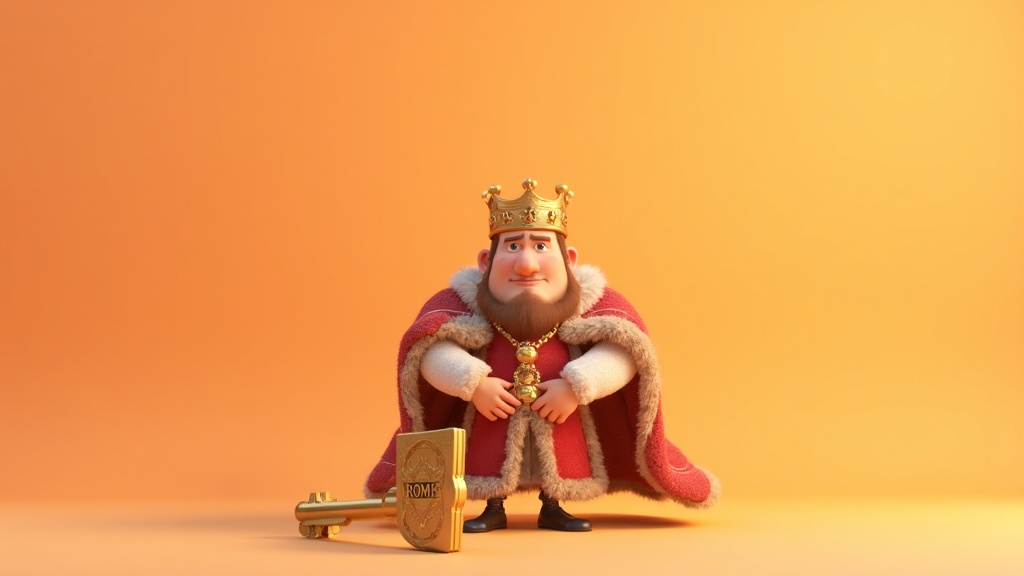
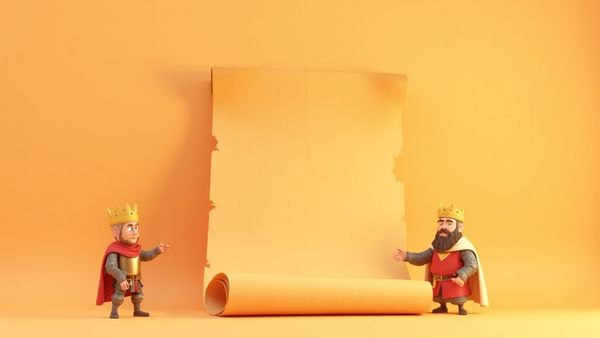
The Magna Carta, Latin for "Great Charter," was a peace treaty signed in 1215 between King John and his barons, establishing that even the King must follow the law. It contained 63 clauses and began the concept of due process, meaning people deserve fair treatment under the law.
Imagine a King who could do *anything* he wanted—take your toys, lock you up for no reason, and demand all your allowance money! Sounds scary, right?
Well, for a long time in England, that’s kind of how things were with some of the Kings! But then, over 800 years ago, something HUGE happened that changed history forever. In 1215, a group of angry noblemen (called barons) forced a very unpopular king to sign a document that said, STOP! Even *you*, King, must follow the law. This amazing document was called the Magna Carta, which is Latin for “Great Charter.” It was one of the first times in European history that the idea of a written rulebook for the ruler was put down on paper!
Mira says:
"Wow, Finn! So, the Magna Carta basically said that King John couldn't just be a bossy dictator anymore? That’s like saying the principal can’t take away recess just because they feel like it—they need a good reason and a fair rule! That’s so important for kids to learn about!"
What is the Magna Carta and Why Was It Signed?
The Magna Carta was basically a peace treaty signed on June 15, 1215, between King John and his powerful barons at a meadow called Runnymede near the River Thames. King John was *not* a nice guy to rule under! He kept losing wars, which cost a ton of money, so he kept demanding HUGE amounts of taxes from his barons. He also punished people unfairly and acted like the law only applied to everyone else.
The barons got fed up! They rebelled, captured London, and forced King John to the negotiating table. They presented him with a list of demands, and when he put his seal on the document, he agreed that even a king was not above the law. The document was a set of 63 clauses (or rules) written in Latin on parchment (special animal skin).
Mind-Blowing Fact!
Even though it was supposed to solve a big problem between the King and the barons, the peace didn't last! King John went back on his word just three months later, and a civil war broke out!
The Amazing Rules: What Did the Magna Carta Actually Say?
The Magna Carta covered lots of things, from protecting the Church’s rights to setting rules about inheritance (how property is passed down). But for us today, two clauses are the absolute superstars because they started the idea of fair treatment for everyone under the law!
Think about the two most famous promises it made, which were meant for 'free men' at the time (which didn't include most peasants, but still a huge start!):
The Right to Justice (Clause 39)
This is the big one! It basically said: 'No free person shall be arrested, imprisoned, or have their things taken away... except by the lawful judgment of their equals or by the law of the land.' This is the beginning of what we call due process—meaning the government must follow fair rules before punishing someone. It’s why we have juries today!
Imagine this: Before the Magna Carta, a King could point at you and say, 'Off to the dungeon!' Now, he had to prove you broke a *written* law, and a group of your peers (people like you) had to agree.
The Right to Fair Treatment (Clause 40)
This clause promised: 'To no one will we sell, to no one will we deny or delay right or justice.' That means the King couldn't charge someone a super high price just to get a trial, and he couldn't make people wait forever for an answer about their case. Justice should be available to everyone, not just the rich and powerful!
This idea—that justice shouldn't be bought or ignored—is a cornerstone of fair systems all over the world, even now for kids like you!
When King John signed the first version.
The number of promises in the Great Charter.
The number of original clauses still part of UK law.
💡 Did You Know?
The final version of the Magna Carta that became part of England's official law (Statute Law) wasn't the 1215 one, but one reissued by King Edward I in 1297!
How Did This Old Paper Change the World?
Even though the Magna Carta initially focused on the rights of the powerful barons, its symbolism is what truly changed everything. When people later argued that the King was acting unfairly, they could point back to this document and say, 'See? You agreed to follow the rules!'
This concept—that rulers are controlled by law—is called the Rule of Law, and it is the foundation of nearly every modern democracy. It traveled across the ocean and heavily influenced the people who wrote the United States Constitution and the Bill of Rights hundreds of years later!
- The King is NOT above the law: This is the biggest takeaway! A ruler is subject to the same rules as everyone else.
- Right to a Fair Trial: You can't just be thrown in jail without your peers agreeing it's legal.
- Limits on Money Grabs: The King couldn't just demand massive taxes without some kind of agreement (consent) from the important people.
- Protecting Liberties: It started the snowball effect toward recognizing that people have basic freedoms a government can't easily take away.
King John’s greed and bad decisions led him to sign a document that ended up protecting people for centuries! The Magna Carta is a fantastic example for kids to see how arguments and challenges can lead to lasting, positive changes in how people are governed. Keep an eye out for its influence in the laws we have today!
🎯 Quick Quiz!
What does the Latin term 'Magna Carta' mean when translated to English?
Questions Kids Ask About British History
Keep Exploring the Roots of Freedom!
The Magna Carta shows us that even when things seem unfair, standing up (peacefully, with good arguments!) can lead to big changes! Now you know the story of the Great Charter that put a leash on a King. What other amazing history lessons are waiting for us?