You know that birthday money sitting in your drawer or that stack of coins in your piggy bank? A bank would not only keep it safer than your sock drawer: it would actually pay you extra money just for letting them hold onto it.
That is the magic of Banking. It turns your money into a tool that grows while you sleep. While many people think banks are just boring buildings for grown-ups, they are actually high-tech hubs of Financial Literacy that kids can start using right now.
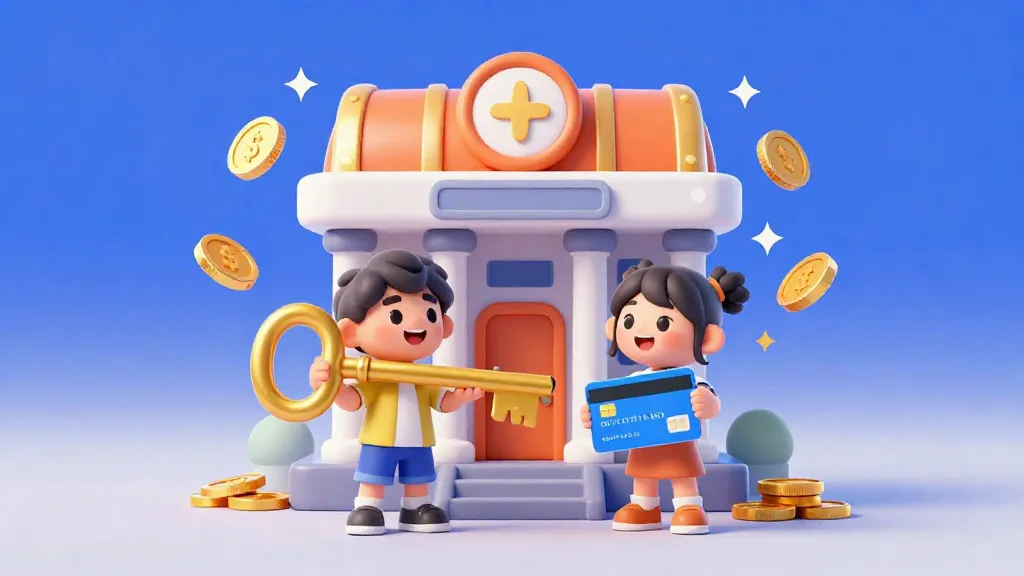
Imagine you have a treasure chest, but instead of just sitting in your room, this treasure chest is guarded by lasers, cameras, and giant steel doors. That is essentially what a Bank is. It is a business that keeps people's money safe and helps them move it around whenever they need to.
The oldest bank in the world is in Italy and has been open since the year 1472! That means it was already old when Christopher Columbus sailed to America.
When you put your money in a bank, you aren't just hiding it away. You are entering the world of professional money management. A bank is a place where you can open an Account, which is like having your own digital folder that keeps track of exactly how much money you have.
Finn says:
"So, if I put my money in a bank, is it just one big pile of cash with everyone else's money? How do they know which dollars are mine?"
The Secret Power: Interest
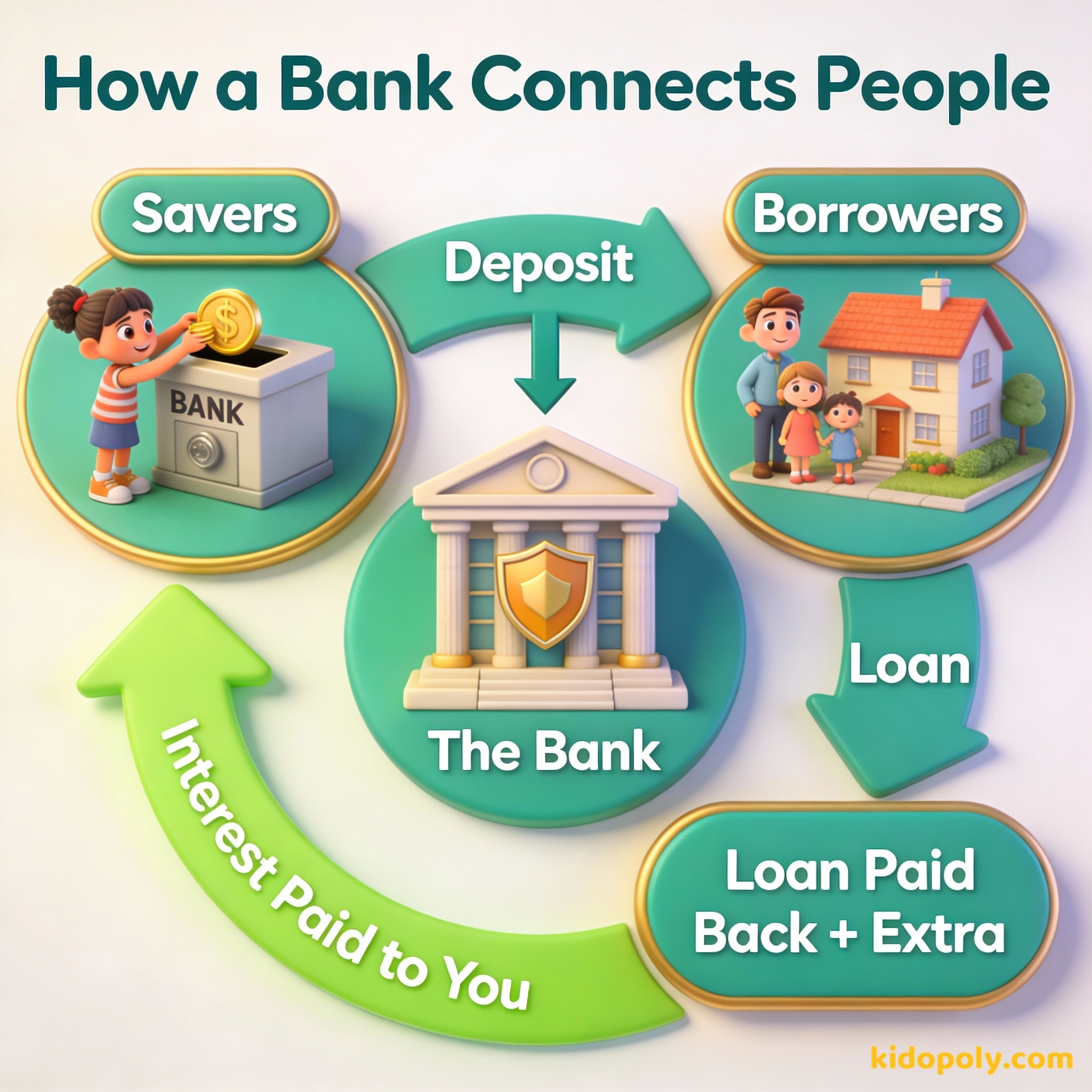
One of the coolest things about banking is something called Interest. Think of interest as a thank-you gift from the bank. Because you are letting the bank hold onto your money, they pay you a small amount of extra cash every month or year.
Let's look at interest in action: If you have $100 in a savings account with 2% annual interest: At the end of year 1: You have $102. At the end of year 2: You have $104.04. You earned $4.04 just for leaving your money in the bank!
This happens because the bank doesn't just let your money sit in a dark room. They use it to help other people, like a neighbor who needs a loan to buy a new car or a family who wants to buy a house. Because those people pay the bank to borrow the money, the bank shares some of that reward with you.
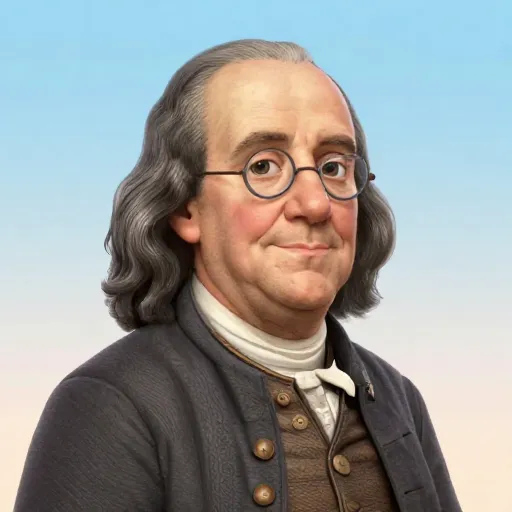
Money makes money. And the money that money makes, makes money.
Is My Money Really Safe?
You might wonder: if the bank is lending my money to a neighbor to buy a car, what happens if I want my money back right now? Don't worry. Banks are required by law to always have enough cash ready for you to withdraw whenever you want.
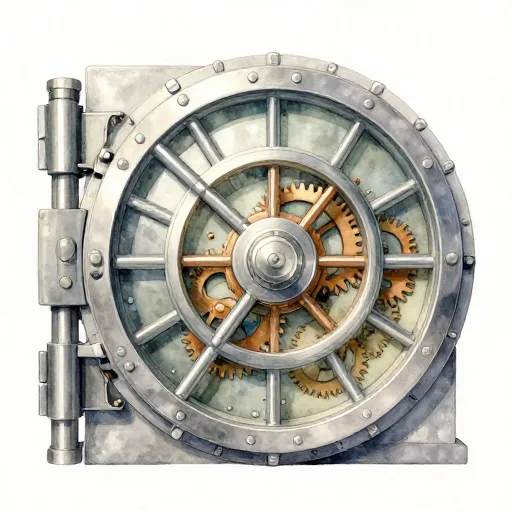
Imagine a giant, heavy steel door that is three feet thick. Inside are rows of lockers called safe deposit boxes. Banks don't just protect your digital numbers: they protect real gold, important papers, and jewelry for people too!
In many countries, the government even promises that if the bank loses your money, the government will pay you back. This makes a bank account one of the safest places in the world for your savings. It is much harder to lose your money in a bank than it is to lose a twenty-dollar bill through a hole in your pocket!
Your Banking Tools: Accounts and Cards
When you start banking, you will usually hear about two main types of accounts. A Savings Account is for money you want to keep for a long time, like saving up for a new gaming console. A Current Account (sometimes called a checking account) is for money you plan to spend soon.

Mira says:
"Think of a bank account like a digital backpack. Even if you're not carrying it, the bank keeps track of exactly what's inside, and you can reach into it from anywhere in the world using a card!"
To use the money in your account, you don't always have to go to the bank building. Most kids' accounts come with a Debit Card. This is a plastic card that lets you pay for things in shops or online using the money that is already in your bank account.
- Debit Card: Uses your own money that you already have.
- Credit Card: Uses borrowed money that you have to pay back later with extra fees.
- ATM: A machine where you can use your card to get physical cash out of your account.
Cash is great because you can see it and feel it. It helps you realize how much you are spending because you physically see the bills leaving your hand.
Digital money is great because it can't be lost in the grass or destroyed in the wash. Plus, you can use it to buy things from people all over the world.
Banking in a Digital World
Banking used to mean standing in long lines at a building with marble floors. Today, banking is mostly digital. This means you can see your balance, move money into different digital jars, and even send money to a friend using an app on a phone or tablet.
Banking is necessary, banks are not.
Digital banking makes it easier to track where your money goes. Instead of wondering where that ten dollars went, you can look at your app and see exactly which shop you visited. It is like having a digital diary for your money. Understanding how-banks-work is the first step to mastering your own financial future.
The Evolution of Banking
Why Start Now?
You don't have to wait until you are 18 to start banking. Many banks offer special kids-bank-accounts designed just for people your age. These accounts often have lower fees and cool apps that help you learn how to balance your spending and saving.
Finn says:
"If I get a debit card, can I buy anything I want? Or will the bank stop me if I try to spend too much?"
Getting a bank account now gives you a head start. You get to practice using debit-cards-for-kids and learn about different types-of-accounts before you have to worry about big adult bills. It is like practicing a sport: the earlier you start, the better you get at the game of money.
Next time you are out with an adult, look for a bank. See if you can spot the ATM outside or the secure cameras near the door. Ask them if they use an app for their banking or if they still like to go inside the building!
Do not save what is left after spending, but spend what is left after saving.
Banking is your gateway to the rest of the world of money. It is how you get paid for a job, how you buy things online, and how you save for your biggest dreams. Once you understand the bank, you understand the engine that keeps the world's economy running.
Something to Think About
If you had your own bank account today, what would be the first thing you'd want to save for, and would you prefer to use a physical card or a phone app to pay?
There are no wrong answers here. Some people love the feeling of a plastic card, while others love the speed of digital apps. Your banking style is all about what makes you feel most in control of your money.
Questions About Banking
Can I get a bank account if I'm under 13?
Does it cost money to have a bank account?
What happens if I lose my debit card?
Ready to Join the World of Banking?
Now that you know how banks keep your money safe and even help it grow, you are ready to take the next step. Why not explore our guide on kids-bank-accounts to see what kind of account might be right for you? Your journey to becoming a money expert has just begun!