What would you do if you went to the shop and couldn't find exactly what you wanted?
For most of us, we just go home empty-handed. But for a special group of people called entrepreneurs, a missing product is actually an opportunity. Being an entrepreneur means starting your own business to solve a problem or share something cool with the world.
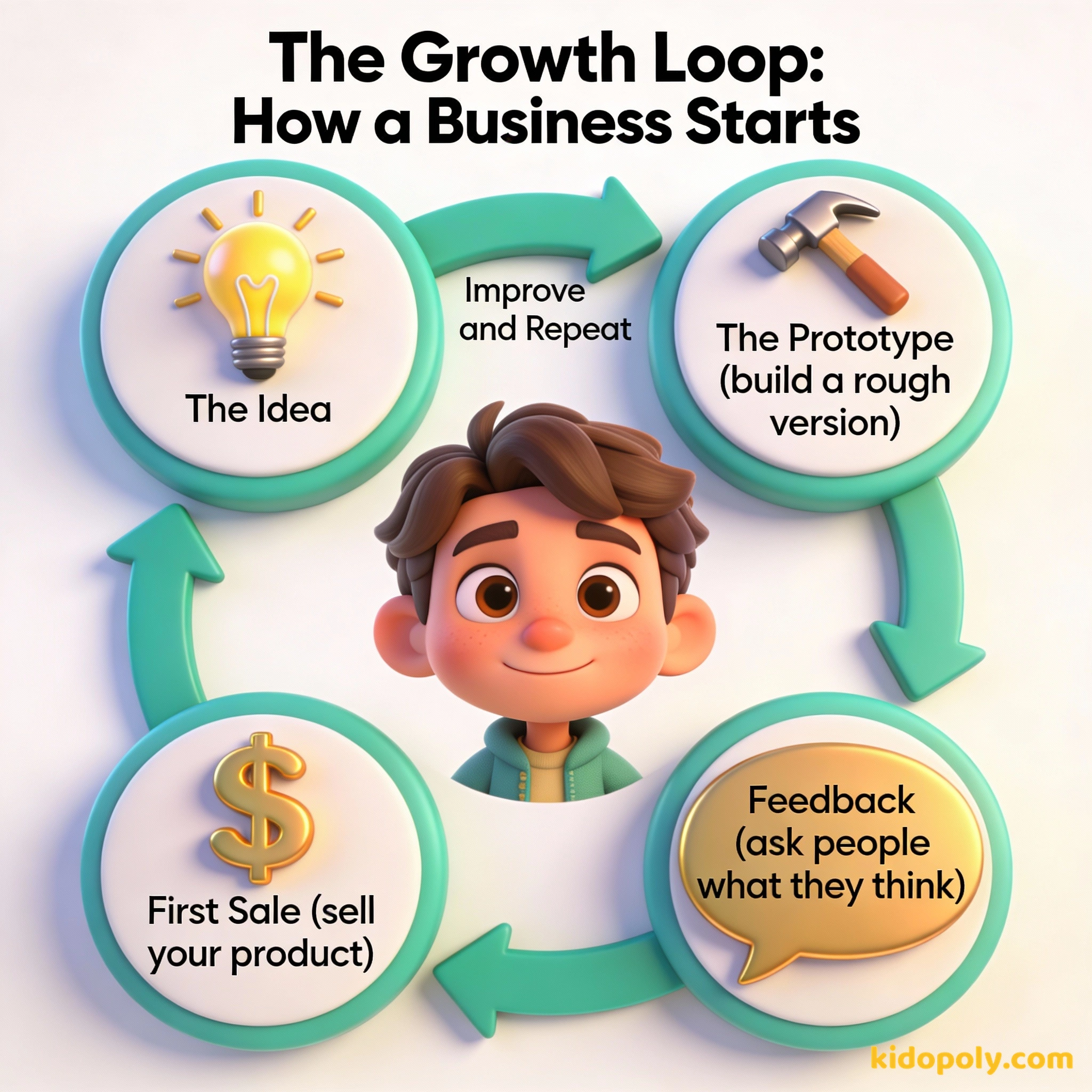
Moziah Bridges was just 9 years old when he realized he had a problem. He loved dressing up, but he couldn't find any bowties that matched his style. Everything in the shops was boring or made for adults. Instead of giving up, he asked his grandmother to teach him how to sew.
His very first sale was a handmade tie he sold to a family friend for $5. He used that money to buy more fabric and make more ties. Today, his company, Mo's Bows, has sold over $1 million worth of accessories. He even signed a major deal to make products for the NBA!
Let's look at Mo's first sale: Sale Price: $5.00 Cost of Fabric: -$1.50 Cost of Thread: -$0.25 Profit: $3.25 Mo used that $3.25 to buy even more fabric! This is called re-investing in your business.
The Girl Who Protected the Bees
Mikaila Ulmer was only 4 years old when she got stung by two bees in one week. While most kids would stay far away from anything with a stinger, Mikaila became fascinated by them. She learned that honeybees were in danger of disappearing, and she wanted to help.
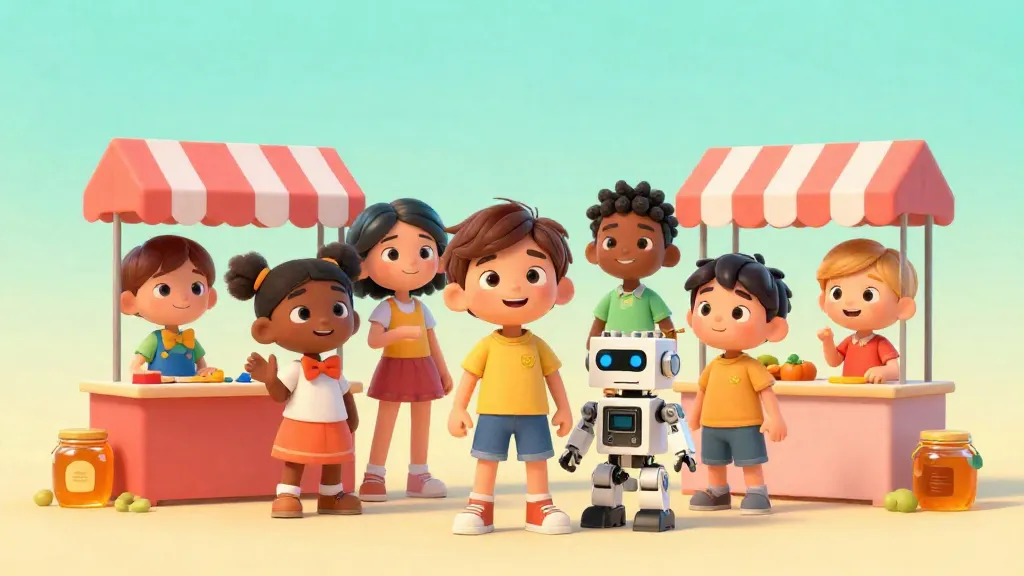
She started a lemonade stand using her great-grandmother's 1940s recipe, which used honey instead of sugar. She called it Me & the Bees Lemonade and gave part of her profits to organizations that protect bees. Eventually, she appeared on the TV show Shark Tank and landed a massive distribution deal with Whole Foods market.

Mira says:
"Mikaila basically turned a scary bee sting into a business that saves bees. That is what I call a total plot twist!"
Solving a "Manly" Problem
Hart Main was 13 when he teased his sister about the flowery, "girly" candles she was selling for school. He thought there should be candles that smelled like things he liked: like grass, campfires, or even bacon. His parents told him if he wanted them, he’d have to make them himself.
Hart used $100 he saved from doing chores to buy wax and scents. To save money on containers, he used empty soup cans! He called his business ManCans. He didn't just sell candles: he bought the soup, donated it to a local kitchen to feed hungry people, and then used the empty cans for his business. He eventually donated over 100,000 cans of soup!
I started my first business at six years old selling gum.
The Sticky Side of Success: When Things Go Wrong
You might think these stories are all about easy money, but every single one of these kids faced a failure along the way. Alina Morse, who started Zolli Candy at age 7, wanted to create a lollipop that was actually good for your teeth. She spent two years researching and testing recipes that kept falling apart.
When she finally launched her candy on Amazon, she faced a disaster: her candy melted during shipping! Customers were angry and left bad reviews. Alina didn't quit. She worked with her team to improve the packaging and the recipe so the candy stayed solid even in the heat. Today, her candy is sold in over 25,000 stores.

Alina Morse's company, Zolli Candy, sold over $6 million worth of treats in a single year! She became the youngest person ever to be on the cover of Entrepreneur Magazine.
Finn says:
"If my candy melted in the post, I'd probably just eat the gooey mess myself. Alina was brave to keep going and fix the problem for her customers!"
Building a Better Game
Sometimes, a business starts because a kid just wants better gear. Rachel Zietz was a 13-year-old lacrosse player who was tired of her practice equipment breaking. The goals she bought would rust or fall apart after just one season in the rain.
She decided to design her own high-quality gear and launched Gladiator Lacrosse. Because she was a player herself, she knew exactly what needed to be fixed. She reached $1 million in sales while she was still in high school, proving that knowing your target audience is key to success.
The Power of the Pivot
Shubham Banerjee was 12 when he found out that Braille printers: which help blind people read: cost more than $2,000. He thought that was way too expensive. He decided to build a cheaper version using his favorite toy: a Lego Mindstorms kit.
It wasn't easy. Shubham failed seven times before he finally got his Lego printer to work. He didn't give up because he knew his innovation could help millions of people. He eventually received a massive investment from Intel to turn his school project into a real technology company called Braigo Labs.
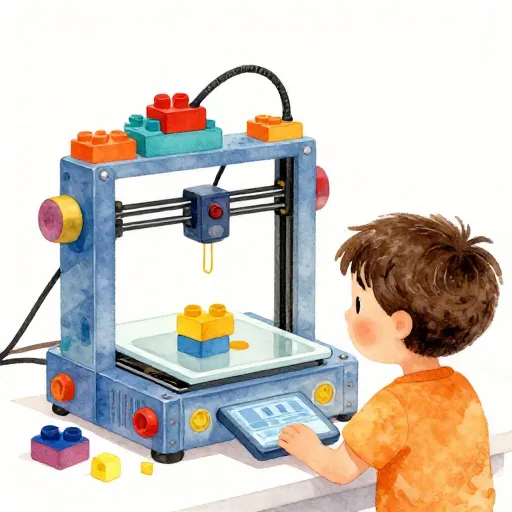
Imagine you are 12 years old and the world's biggest computer chip company, Intel, wants to give you millions of dollars to build your Lego project. That is exactly what happened to Shubham Banerjee!

It doesn't matter how many times you fail. You only have to be right once.
What Makes a Kid Entrepreneur?
Looking at these stories, we can see a few patterns. You don't need a lot of money to start: Hart Main started with $100 and Moziah Bridges started with scraps of fabric. Most of these kids shared a few common traits:
- Curiosity: They asked "Why?" and "How?" about everything.
- Persistence: They didn't stop when their first version failed.
- Support: They weren't afraid to ask for help from parents or grandparents.
- Problem-solving: They looked for things that were broken and tried to fix them.
Mira says:
"It is like these kids are playing a real-life strategy game where the prize is helping people and building something cool."
Where Are They Now?
Many of these kids are now young adults running huge companies. Moziah Bridges is the creative director for his own fashion line. Mikaila Ulmer is a public speaker and author. Hart Main eventually sold his business to focus on college, showing that sometimes a business is a great way to learn skills for your next big adventure.
Starting a business isn't just about making money. It is about learning how the world works, how to talk to adults, and how to handle a challenge. Whether your first business is a huge success or a messy failure, you are building your own superpower.
I had to make my own opportunity.
Some kids, like Moziah, spend years building their brand and plan to run it forever.
Others, like Hart Main, build a business to reach a goal (like a new bike) and then move on to something else.
Something to Think About
If you could change one thing about a product you use every day, what would it be?
Think about your toys, your clothes, or even your school supplies. There are no wrong answers: every great business started with someone thinking, 'I wish this was different!'
Questions About Earning & Pocket Money
Do I need a lot of money to start a business?
How old do I have to be to start a business?
Can kids really become millionaires?
Your Story Is Just Starting
The kids in these stories weren't born with business magic. They were just curious, they weren't afraid to fail, and they took the first step. What will you create? If you want to find your own big idea, check out our guide on 'Business Ideas for Kids' to get started!