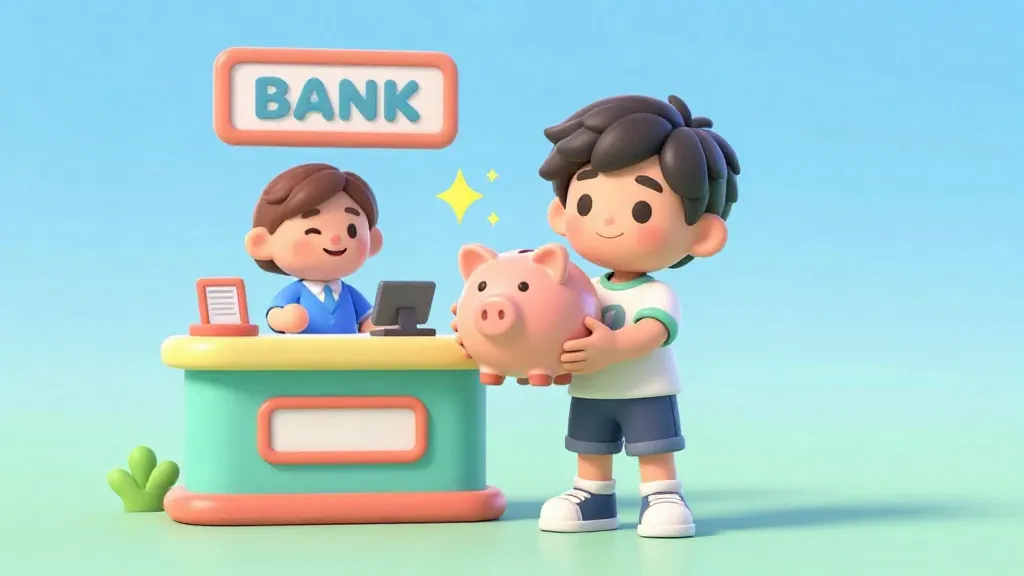
Your piggy bank is stuffed full, and coins are practically falling out. You shake it and it's heavy! Time to count it all up, take it to a real bank, and open your very first savings account.
Moving from a physical jar to a digital account is a major milestone in financial literacy. It is like graduating from a tricycle to a bicycle: it is the same idea, but with way more power to help your savings grow.
Most children start their financial journey with a classic piggy bank. It is a fantastic tool because it is tactile, visual, and simple. You drop a coin in, you hear the 'clink,' and you know your money is safe.
But eventually, that ceramic pig gets too heavy to carry. That is when you know it is time for a 'graduation.' Moving to a savings account at a real bank is an exciting step that introduces you to the world of modern money.

Finn says:
"Wait, if I put my coins into a computer at the bank, how do I know they are still mine if I can't see the pig on my shelf?"
The Surprising Story of the 'Pygg' Jar
Before we look at modern banks, let's look at where the piggy bank actually came from. It might surprise you to learn that the first piggy banks weren't actually shaped like pigs at all.
Hundreds of years ago, people in Western Europe used a cheap, orange-colored clay called pygg to make jars for holding their spare coins. Because the name of the clay sounded just like the animal, potters eventually started shaping the jars like little piglets as a joke.
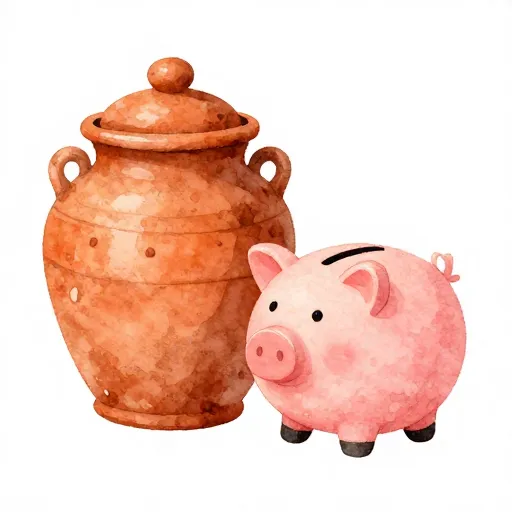
The word 'piggy bank' comes from a type of clay called 'pygg.' In the Middle Ages, people kept their money in jars made of this clay. Eventually, potters started making the jars look like real pigs!
When is Your Child Ready to Graduate?
How do you know when it is time to move from the jar to the bank? There is no 'perfect' age, but most children are ready between ages 6 and 10.

A penny saved is two pence clear.
Look for these three signs that your child is ready for the big move:
- They can count to 100 and understand that different coins have different values.
- They understand the concept of delayed gratification, or waiting for a bigger reward later.
- They start asking questions about where 'grown-up' money goes, like credit cards or ATMs.
Before you head to the bank, try the 'Coin Challenge.' See if you can sort your coins into piles of $1.00. It helps you practice your math and makes it much easier for the bank teller to process your deposit!
Why a Real Bank is a 'Power-Up'
While a piggy bank is great for learning, a real bank account offers benefits that a ceramic jar simply cannot match. Think of it as upgrading your savings equipment.
First, a bank account is insured, which is a fancy word meaning the government protects your money if the bank has a problem. If you lose your piggy bank, the money is gone. If the bank has an issue, your money is still safe.

Mira says:
"It's a bit like moving your pet fish from a tiny bowl to a big aquarium. There's more room for everything to grow, and it's much safer!"
Second, banks can actually help your money grow through interest. This is a small amount of money the bank pays you just for keeping your savings with them. In a piggy bank, $10 will always be $10. In a bank, that $10 can slowly turn into more.

Planning the 'Big Day'
Opening a first account should be a celebration, not a chore. To make it memorable, involve your child in every single step of the process.
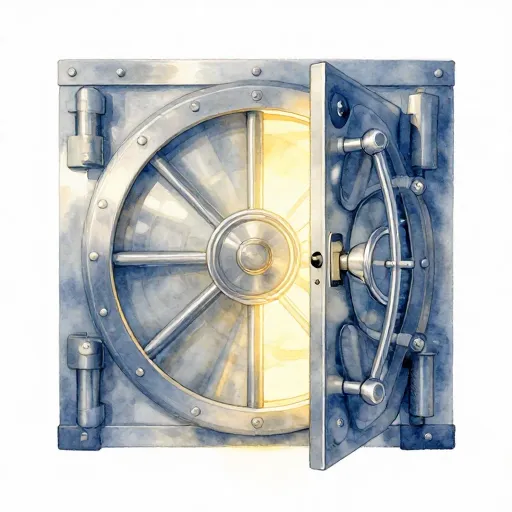
Imagine walking into a building with giant marble pillars and a massive steel vault. You hand over your heavy bag of coins, and a few minutes later, you get a card with your name on it that lets you see your money on a screen. You've just become a member of the global banking system!
- The Great Count: Dump the piggy bank out and sort the coins into piles. Use this time to talk about how much they have saved and what their goals are.
- The Bank Visit: Choose a physical bank branch if possible. Walking through those big doors and speaking to a teller makes the experience feel 'real' and official.
- The Paperwork: Let your child watch as the teller enters their name into the system. Seeing their own name on a bank statement or a debit card is a huge moment of pride.

The chains of habit are too light to be felt until they are too heavy to be broken.
The Hybrid Approach: Why You Should Keep Both
Opening a bank account doesn't mean you have to throw away your piggy bank! In fact, most financial experts suggest using a hybrid approach.
You can keep the piggy bank on the dresser for loose change and small amounts of pocket money. Once the piggy bank hits a certain amount, like $20, you can make a special trip to the bank to deposit it.
You can see it, touch it, and hear the 'clink' every time you save. It's great for small goals and daily habits.
It's safe from fire or theft, it can earn interest, and it's where you keep money for your biggest future dreams.
This keeps the physical 'clink' of saving alive while ensuring the bulk of your money is safe and growing in the bank. It also prevents the bank account from feeling 'invisible' since you still have money you can see and touch at home.
Finn says:
"I like that idea! I'll keep my 'pizza money' in the pig and my 'college money' in the big bank."
Taking the Next Step
Once the account is open, the learning really begins. You can start looking at monthly statements together or checking the balance on an app.

A big part of financial freedom is having your heart and mind free from worry about the what-ifs of life.
This transition turns saving from a quiet habit in a bedroom into a gateway to the real world. It builds confidence and shows your child that they are capable of managing 'real' money just like an adult.
Let's look at the power of the bank: Piggy Bank: $50.00 today + 1 year = $50.00 Real Bank (with 1% interest): $50.00 today + 1 year = $50.50 It might look small, but the bank is literally giving you two free gumballs just for keeping your money safe!
Something to Think About
What is one 'big dream' item you want to save for in your new bank account?
There are no wrong answers here. Whether it is a new bike, a video game, or even a trip, naming your goal makes saving much more fun!
Questions About Saving
Do I need a lot of money to open a kid's bank account?
Will the bank take my physical coins?
Can I take my money out whenever I want?
Your Financial Adventure Begins
Moving from a piggy bank to a real bank is a sign that you are growing up and taking control of your future. Now that you have a place for your money to grow, you might want to learn more about how to choose the right account. Check out our guide to savings-accounts-for-kids to find the best fit for your family!
