You get £5 pocket money every week but somehow you are always broke by Wednesday. Sound familiar?
Saving money does not have to feel like a chore or a punishment. It is actually a superpower that lets you buy the big things you really want. By using a few clever strategies, you can keep your cash from disappearing and watch your savings grow faster than ever.
Most people think saving is just about not spending. But the most successful savers in the world use specific tricks to make it easy. These are tried and tested techniques that real kids use to save more money. Some take zero willpower and only about ten seconds to start.
The 50-30-20 Rule for Kids
The fastest way to save is to decide what happens to your money before you even touch it. A great framework to use is the 50-30-20 rule. This means every time you get money, you split it into three different piles based on percentages.
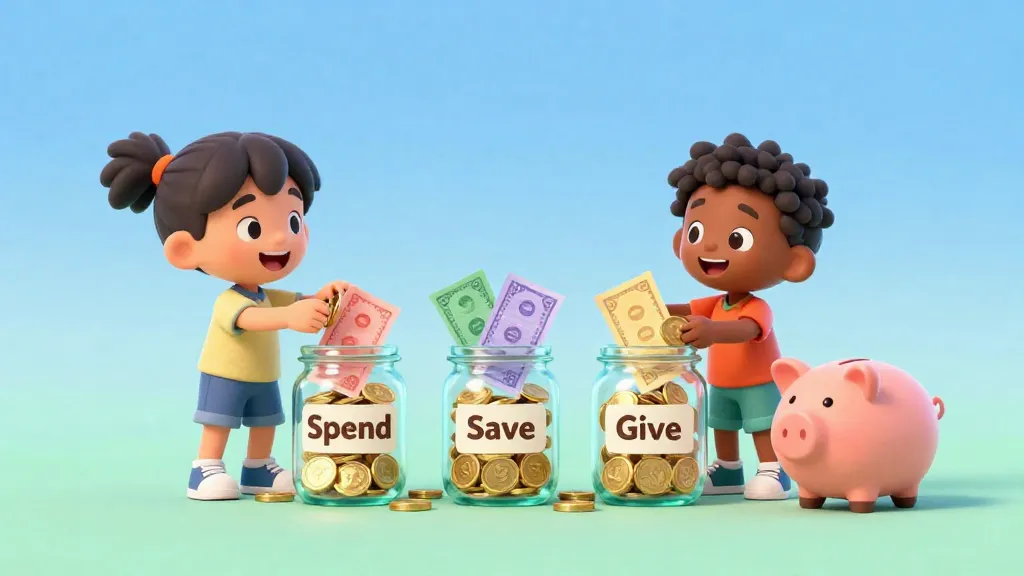
The 50-30-20 Split on £10: - Save: £5.00 (Your Future Fund) - Spend: £3.00 (Your Fun Money) - Give: £2.00 (Helping Others)
You do not have to be a math genius to do this. You can adjust the numbers to fit your life. For example, if you get £10, you could put £5 in your savings (50%), keep £3 for spending right now (30%), and set aside £2 to give to a charity or a cause you care about (20%).

Finn says:
"But wait, if I save 50% of everything, when do I actually get to buy the cool stuff I want?"
The Jar System
It is much harder to spend money when you can see it physically separated. Instead of keeping all your coins in one big messy pile, use the envelope system or clear jars. Label them Save, Spend, and Give.

Do not save what is left after spending, but spend what is left after saving.
When you see your Save jar getting fuller every week, it gives your brain a little reward. This makes you want to add even more. It is a simple way to track your wealth without needing a computer or a bank statement.
Stop the Impulse: The 24-Hour Rule
Have you ever bought a toy or a snack and then regretted it an hour later? That is called an impulse buy. One of the best ways to stop this is the 24-hour rule. If you see something you want that costs more than a few pounds, you must wait one full day before buying it.
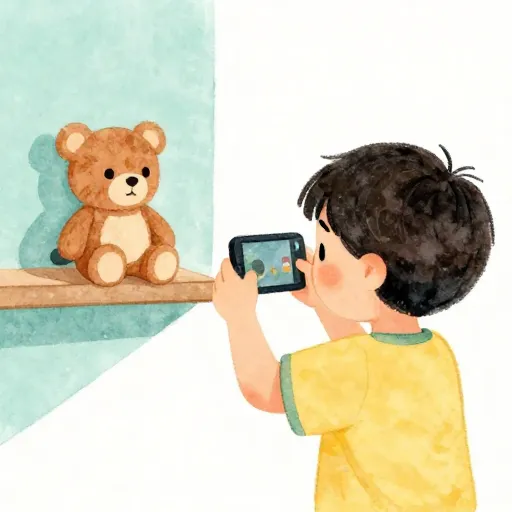
The next time you are at the shop and see a 'must-have' item, take a photo of it instead of buying it. Go home and look at the photo the next day. If you don't feel that same 'spark' of excitement, put the money you saved into your jar!
Most of the time, the "must-have" feeling disappears by the next morning. If you still want it after 24 hours, you know it is a needs-vs-wants choice you are making on purpose. This simple pause can save you hundreds of pounds over a year.

Mira says:
"I tried the 24-hour rule for a new pair of headphones. The next day, I realized I'd rather use that money for my holiday fund instead!"
Use Price-Per-Use Thinking
Sometimes, a more expensive item is actually a better deal than a cheap one. This is called price-per-use thinking. Imagine you want a video game that costs £60. That sounds like a lot of money!
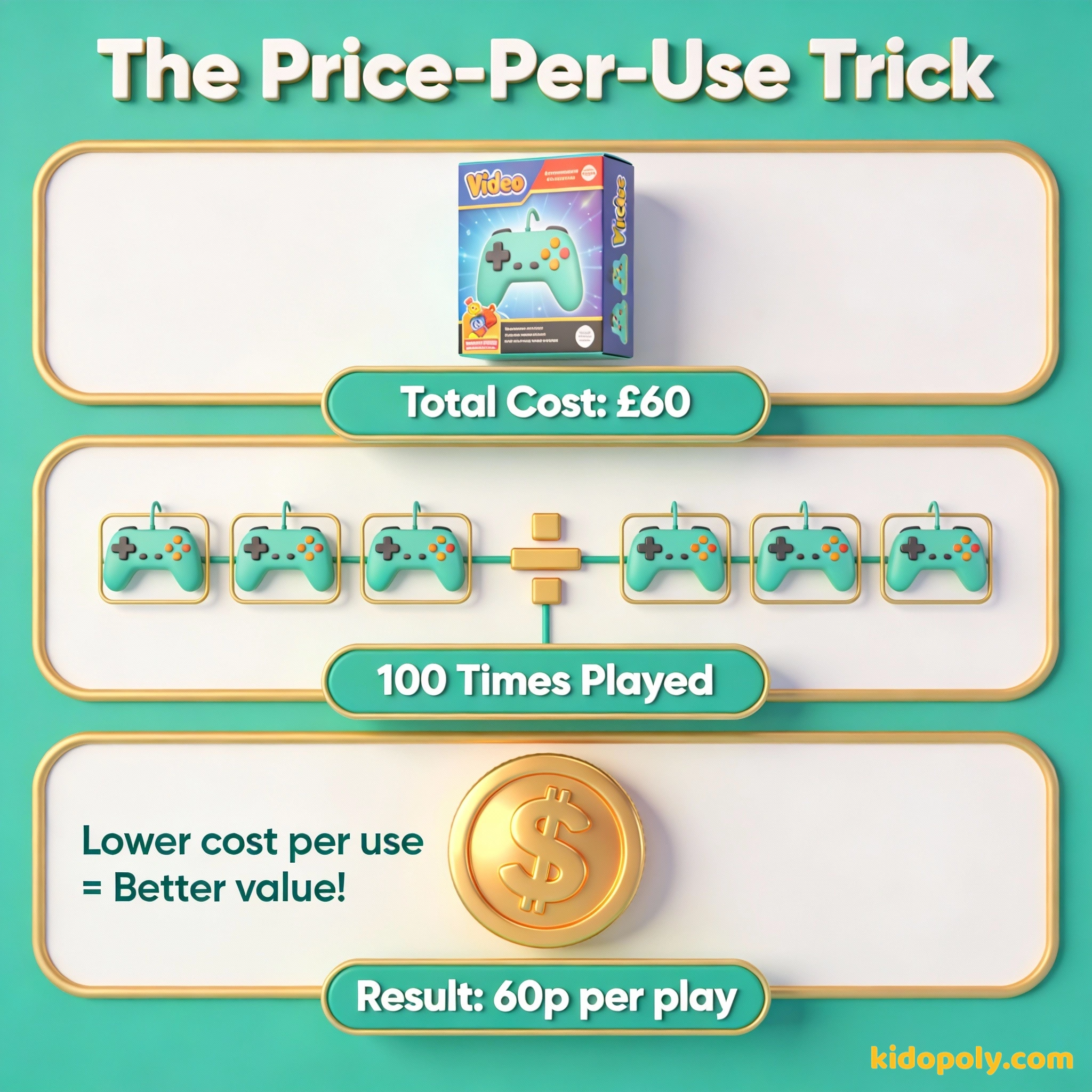
But if you play that game 100 times, it only costs you 60p for every time you play. Now imagine a £5 toy that breaks after you use it once. That toy actually costs more per use than the expensive game. Always ask: "How many times will I actually use this?"
The world record for the largest piggy bank was over 8 metres tall! That is taller than a two-story house. Imagine how much spare change you could fit in there!
Tracking Your Money Leaks
Money has a funny way of leaking out of your pockets on small things. A bag of sweets here, a mobile game skin there. Individually, they cost almost nothing. Together, they are money leaks that drain your savings.

Beware of little expenses: a small leak will sink a great ship.
Try tracking your spending for just one week. Write down every single penny you spend in a notebook. You might be surprised to find that your small daily habits are the reason you cannot afford that big saving-goal you have been dreaming about.
The No-Spend Challenge
If you want to supercharge your savings, try a no-spend challenge. Pick one day a week where you agree not to spend a single penny. Or, if you are feeling brave, try a whole week where you only spend money on things you absolutely need.
Keeping money in your pocket makes it easy to spend on small treats whenever you see them.
Keeping money at home in a jar or at the bank makes it harder to reach, so you only spend it when you really mean to.
Challenges turn saving into a game. You can compete with your friends or siblings to see who can go the longest. It teaches you that you can still have fun without spending money, like going to the park or playing games you already own.
Save Your Spare Change
One of the easiest ways to save is to act like small coins do not exist. Every time you get change back from a shop, put the silver and copper coins straight into a large bottle. This is often called rounding up.
Finn says:
"Wait, so those annoying 1p and 2p coins can actually turn into a new Lego set if I just wait long enough?"
You will not miss those small coins. But if you keep doing it, you will eventually have a bottle full of cash that could be worth £20 or £50. It feels like finding free money because you forgot you were even saving it.
Earn More to Save More
Sometimes the problem is not your spending, it is that you need more coming in. Finding small ways to earn money can give your savings a massive boost. This could be doing extra chores, washing a neighbour's car, or even starting a small business like selling crafts.

You must gain control over your money or the lack of it will forever control you.
When you work for your money, you often value it more. You might think twice about spending £10 if you know it took you two hours of hard work to earn it. This helps you respect your why-save mission even more.
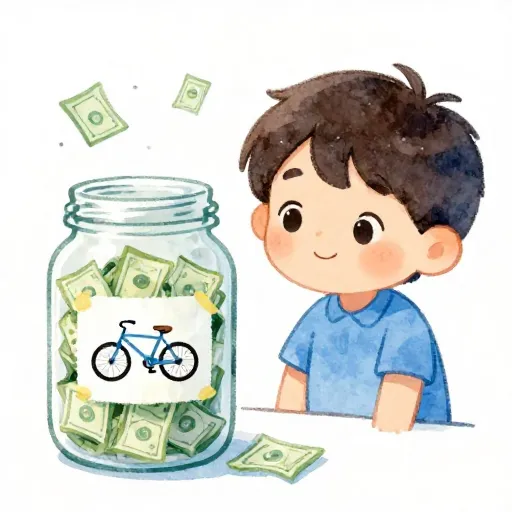
Imagine it is six months from now. You open your 'Save' jar and find enough money to buy that one big thing you've wanted all year. You didn't even have to ask your parents for extra cash. That feeling of 'I did this myself' is one of the best feelings in the world.
Something to Think About
If you could only use one of these saving tips for the next month, which one would you choose?
Think about your own habits. There is no right answer here, some people love the math of price-per-use, while others prefer the physical jars!
Questions About Saving
What is the best way to save if I don't get pocket money?
Is it okay to spend some of my savings sometimes?
How do I know if a price is a good deal?
Your Journey to Becoming a Money Master
Saving is a skill that gets easier the more you practice it. Pick one tip from this list and try it out this week. Once you see your savings start to grow, you will realize that you are in control of your financial future. Want to know what to do with that money once it is saved? Check out our guide on saving goals to plan your next big win!