Rights Declared and Genius Rewarded!
Welcome to December 10th, a day packed with history that changed how we treat each other and how we think about the world! On this date, we celebrate amazing achievements and the fight for fairness across the globe. Get ready to meet some brilliant minds and learn about documents that still matter today!
Did you know that on this very day, the world got its first-ever global rulebook for how people should be treated? Plus, a famous inventor's legacy kicked off an annual ceremony that honors the very best in science, peace, and literature! It’s a day where powerful ideas finally got their moment in the spotlight.
What Happened on This Day
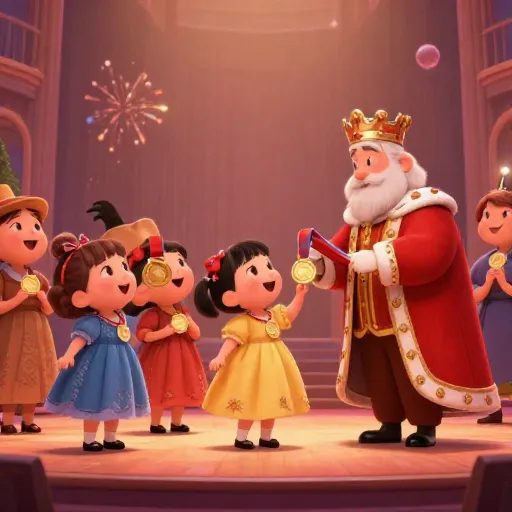
The First Nobel Prizes Are Handed Out!
Imagine being so brilliant that you inspire an annual award worth millions! That’s the legacy of Alfred Nobel, who invented dynamite. On December 10, 1901, five years after his death, the very first Nobel Prizes were awarded in Stockholm. Scientists, writers, and peacemakers were honored for making the world a better place. It’s like winning the biggest gold medal in your field!
Learn more
The Universal Declaration of Human Rights is Born
After a terrible World War, leaders met to create a global promise: The Universal Declaration of Human Rights! Adopted by the United Nations, this incredible document lists 30 basic rights and freedoms that every single person on Earth should have—things like the right to life, freedom from slavery, and the right to education. Think of it as the world’s ultimate rulebook for being fair to everyone.
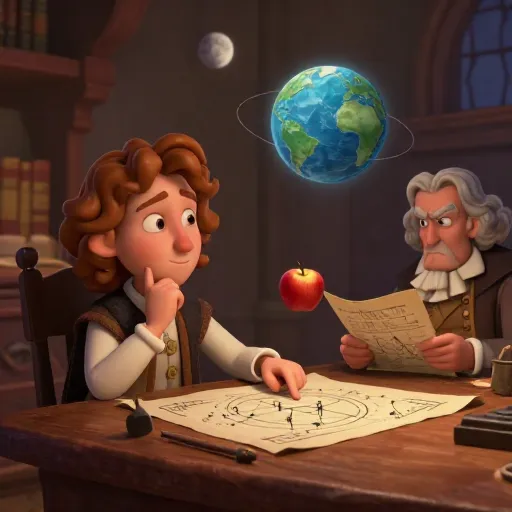
Isaac Newton Explains Gravity to the Big Shots
It wasn't a flashy moment, but it was HUGE for science! On this day, Isaac Newton's paper showing *how* his theory of gravity worked was read aloud to the Royal Society. This meant his idea—that an invisible force pulls everything toward everything else—was backed by solid math. Basically, this is when the secret behind why apples fall down and planets orbit got its official 'stamp of approval'!
Learn more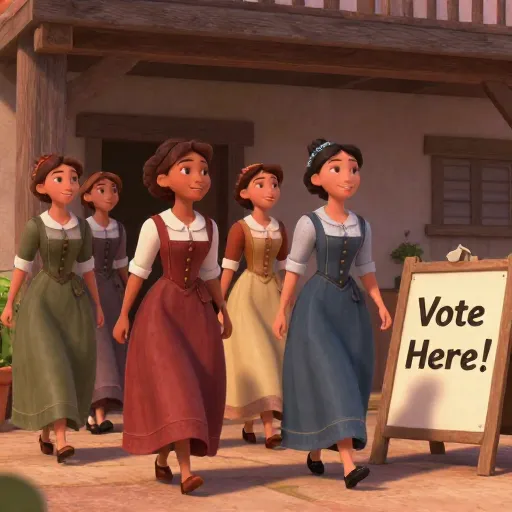
Wyoming Lets Everyone Cast a Ballot!
Talk about a head start! On December 10, 1869, the Wyoming Territory became the very first place in the United States to give women the right to vote in general elections. This was decades before the rest of the country caught up! It showed a daring spirit of fairness way back when. Imagine being the first group of people to officially get to vote in an entire territory!
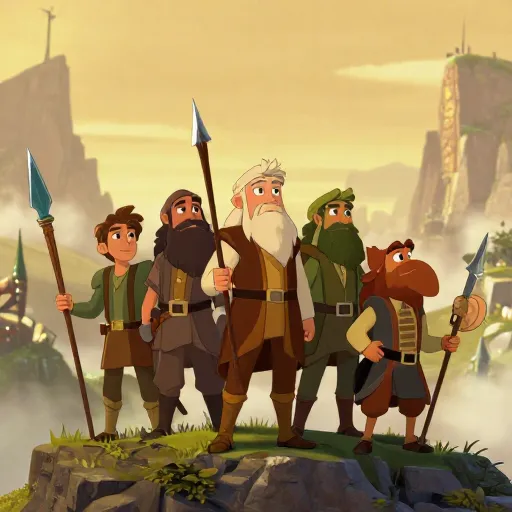
The Fellowship Arrives on Screen!
Get your swords ready! On December 10, 2001 (in some regions), the epic fantasy adventure began as the first movie in *The Lord of the Rings* trilogy, *The Fellowship of the Ring*, premiered! Millions of fans watched Frodo, Gandalf, and the rest of the crew start their dangerous quest to destroy the One Ring. It kicked off one of the biggest movie sagas in history!
Fun Facts About December 10
- The Universal Declaration of Human Rights has been translated into over 500 languages!
- Isaac Newton's gravity paper was read by astronomer Edmond Halley—yes, the one the comet is named after!
- Melvil Dewey, who created the library classification system, was born on this day in 1851.
- The first Nobel Prizes were awarded in five categories; the one for Economics was added much later.
A Look Back in Time
December 10th often marks moments of profound change. In 1948, the world was still recovering from WWII, making the Declaration of Human Rights a crucial step toward global peace and understanding. Meanwhile, the awarding of the first Nobel Prizes showed a belief that science and art could lead humanity forward, continuing a tradition of celebrating genius that started with Alfred Nobel’s controversial, yet impactful, fortune. This date sits between major turning points in science, politics, and culture.
Born on This Day
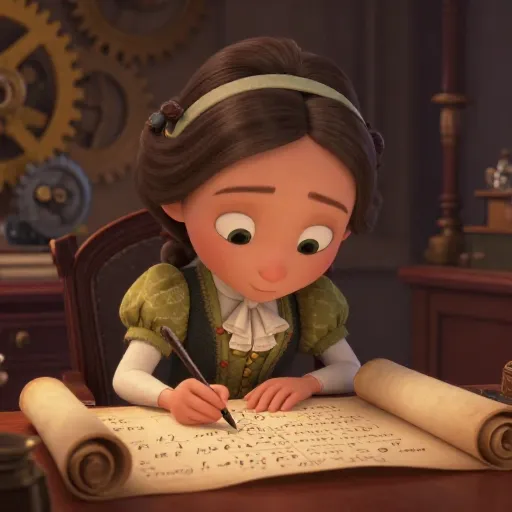
Ada Lovelace
Ada Lovelace was a brilliant mathematician who worked with Charles Babbage on his early mechanical computer, the Analytical Engine. She wrote detailed notes that included what is considered the very first computer program or algorithm! She truly saw the potential for computers beyond just crunching numbers.
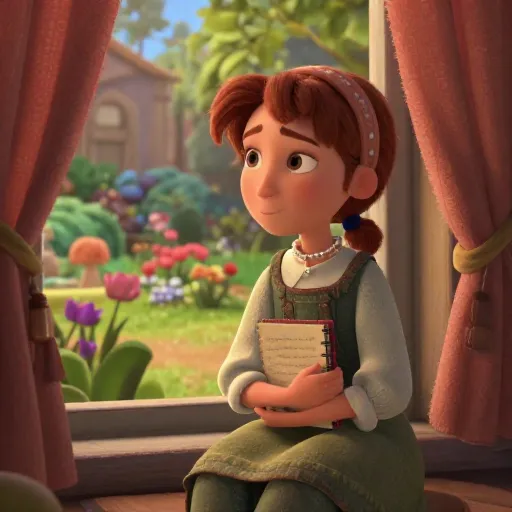
Emily Dickinson
This American poet was super private and wrote nearly 1,800 poems in her lifetime! Most were never published until after she passed away. Her poems are famous for their short, punchy lines and unique way of looking at big ideas like nature and death.
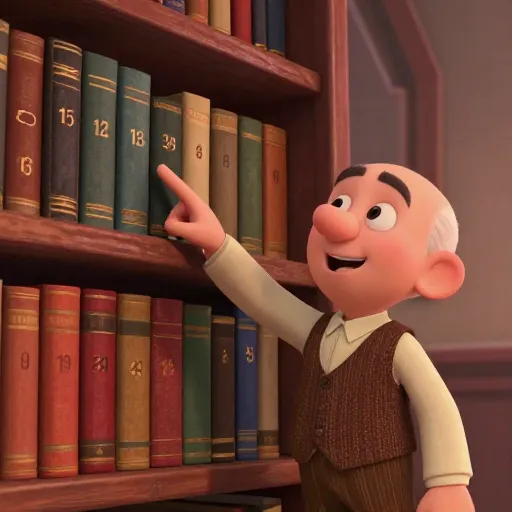
Melvil Dewey
Melvil Dewey was an American librarian who gave us a system to organize every book in the library: the Dewey Decimal Classification! Thanks to him, you can find books by topic (like 500 for Science or 900 for History) instead of searching shelf by shelf.
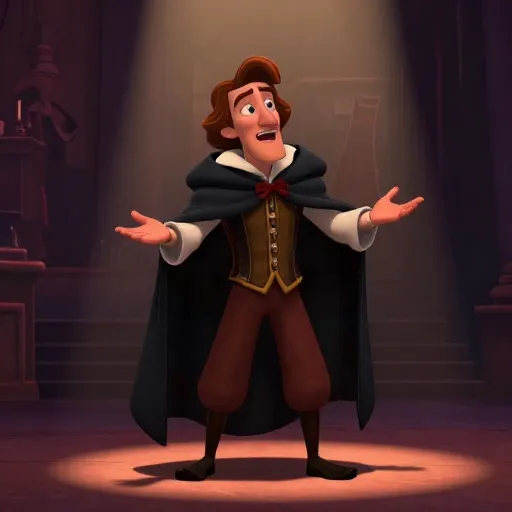
Kenneth Branagh
Kenneth Branagh is a super talented actor and director known for bringing Shakespeare’s incredible plays to the big screen in amazing ways! He's also played famous characters like Professor Gilderoy Lockhart in *Harry Potter* and director in *Apollo 13*.
