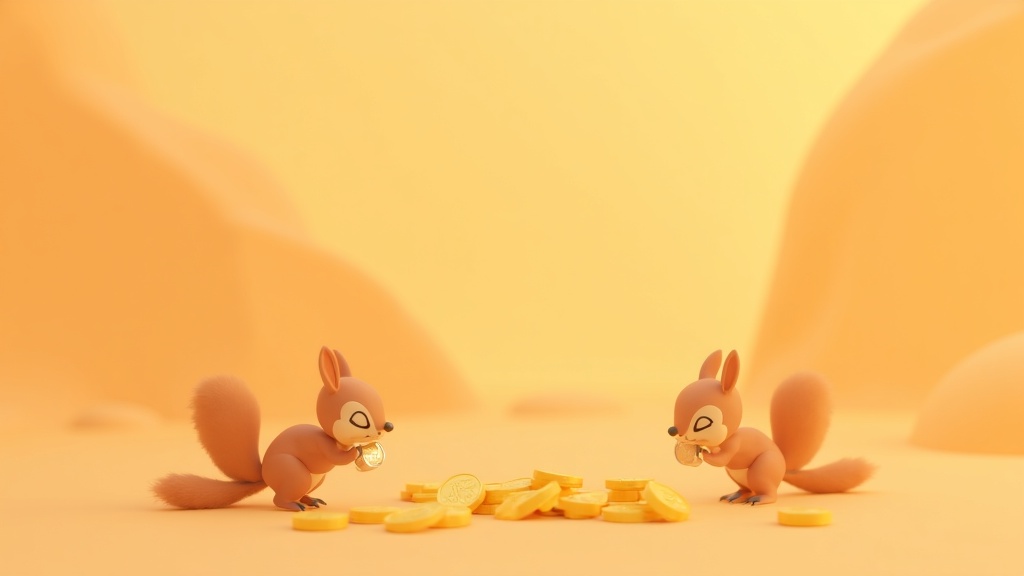
Bartering is the ancient system of trading goods or services directly without using money. The earliest records date back to 6000 BC with Mesopotamia tribes. It paved the way for commodity money and the coins we use today to easily trade value.
Imagine wanting a cool new toy, but instead of using money, you have to offer a chicken or three bunches of carrots! Sounds tricky, right?
That's exactly how people traded for thousands of years before coins and paper bills were invented. This ancient way of swapping things is called bartering! Bartering is when people trade goods or services directly—you give me what I want, and I give you what *you* want. The history of money spans thousands of years, from bartering to the digital payments we use today. Historians generally agree that bartering was the likely system used long before currency existed.

Mira says:
"Wow, Finn! Trading a spear for a necklace sounds like a tough negotiation! I'm glad we don't have to argue over whether one apple is worth exactly *three* pebbles anymore. Money makes things so much clearer for buying and selling for kids today!"
What Was Bartering and Why Did It Get Tricky?
Bartering means trading one thing for another without using money. For example, a farmer might trade a bushel of wheat for a shoemaker's pair of shoes! The very first known records of bartering date all the way back to 6000 BC with the Mesopotamia tribes! It was a great start, but soon people ran into some big problems, especially with something called the 'double coincidence of wants.'
This means *both* people had to want what the other person was offering at the *exact same time*! If you had a giant pumpkin and wanted a warm fur coat, but the person with the coat only wanted dried fish, you couldn't trade! Also, how do you trade half a cow for a small tool? It was hard to agree on the value of things.
Mind-Blowing Fact!
Salt was such an important item for preserving food long ago that Roman soldiers were sometimes paid their salaries with it! This made salt a very valuable item to trade!
Early Money: Things People Wore, Ate, or Hunted!
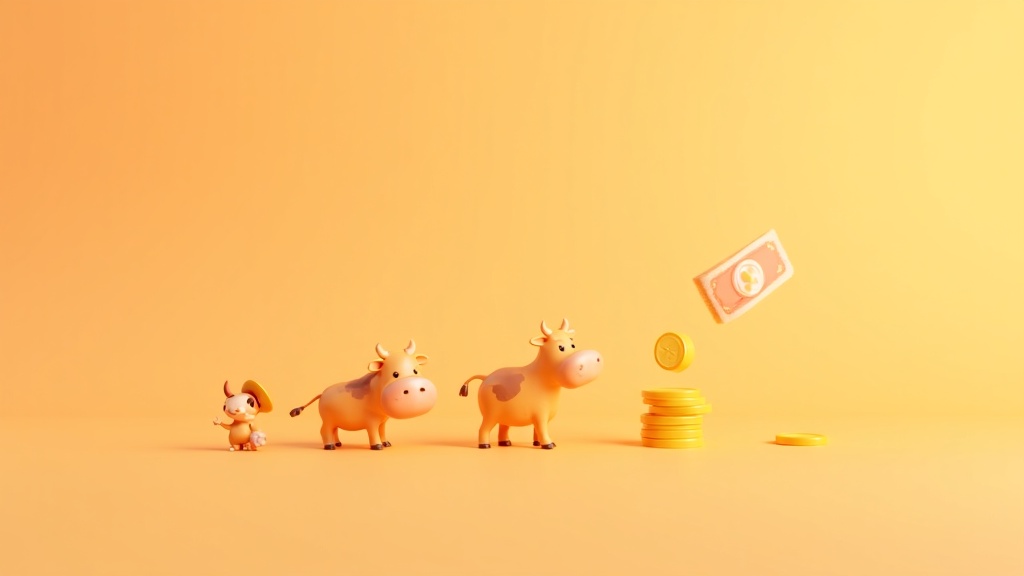
Since bartering got complicated, people started using commodity money—objects that had value on their own. Imagine using things you already needed! Some of the earliest items used as money included cattle, animal skins, tools, weapons, and even grain.
Different places used completely different things! The Aztecs used small doll figures made of solid gold! In some places, like North America, tribes created beautiful beads called wampum from ground-up shells to use as money. Even giant cowrie shells from the ocean were used as currency for thousands of years, starting around 1200 BC in China!
(Mesopotamia Tribes)
(Longest used currency)
(Ancient Turkey)
How Did Metal Coins Make Trade Simple?
The biggest game-changer happened about 2,700 years ago in ancient Turkey (then called Lydia), when people came up with the idea of metal coins! This was a revolution because the coins were stamped with a mark saying how much they were worth, usually backed by a king or ruler.
Suddenly, you didn't have to weigh lumps of gold or silver every time you bought something! Coins were small, easy to carry, and made of strong metal that wouldn't spoil or get eaten.
What Made Coins So Great?
The first coins were made of electrum (a natural mix of gold and silver) and were stamped to show their value and origin. The idea spread fast! The ancient Greeks used them, and each city-state had its own coins, sometimes trading them at early banks.
The Romans copied the idea and were the first to put pictures of emperors and buildings on their coins to make them popular and official!
💡 Did You Know?
Paper money was actually invented centuries before coins were common in Europe! The Chinese first created paper notes around 600 AD, but they became a common currency closer to 1000 AD, long before Europe started using banknotes in the 1600s.
🎯 Quick Quiz!
What problem did the invention of standardized metal coins primarily solve in trade?
From Heavy Metal to Thin Paper: The Next Big Step!
Coins were great, but imagine carrying thousands of heavy silver coins to buy a big item! That’s way too heavy for an adventure, right? That's why the next step, paper money, was invented in China around the 7th century AD.
At first, paper money was like a promise slip—a banknote was just a receipt saying the bank held a certain amount of coins for you. It was much easier to carry a piece of paper than a heavy bag of metal!
- Barter: Trading one good directly for another (like apples for fish).
- Commodity Money: Using valuable items like salt, shells, or furs as payment.
- Coins: Standardized metal pieces marked with a specific, agreed-upon value.
- Paper Money: Notes that represent coins or value held in a bank.
- Modern Money: Electronic transfers and digital payments we use today!
Even though we use cards and digital money now, bartering hasn't completely disappeared! Sometimes, people still trade services or goods today, proving that the original idea of sharing what you have is a very human and long-lasting way to do business for kids and grown-ups alike!
Questions Kids Ask About Economics
Keep Exploring How We Trade!
From trading giant pumpkins to making instant online payments, the way humans exchange value has changed a ton! Next time you buy an ice cream cone, remember the thousands of years of history that made that simple purchase possible!