Feudal Japan was a historical era lasting from the 12th century until 1868, run by powerful military leaders called Shoguns. Only about 10% of the population were noble Samurai warriors. Learn about their strict Bushido code and famous Katana swords!
Have you ever imagined a time when warriors ruled the land with swords and honor? Get ready to travel back in time to a fascinating place called Feudal Japan!
Feudal Japan lasted for hundreds of years, from about the 12th century until 1868. It was a time when the country was run by military leaders, not by the Emperor who lived in the capital city of Kyoto. The word 'feudal' just means that the society was built on a strict system of loyalty and land control, kind of like a giant medieval pyramid! This era gave us the legendary Samurai, some of the most famous warriors in history for kids to learn about.

Mira says:
"Wow, Finn! So, the Shogun was like the real boss, even though the Emperor was technically the highest? That's like having a secret president running everything while the king waves from the balcony! I can't wait to learn about the Samurai who protected them!"
What Was the Feudal Japanese Power Pyramid?
Imagine a tall pyramid. In Feudal Japan, every single person had a spot on that pyramid, and it was super hard to move up or down! At the very, very top was the Emperor, who was the spiritual leader, but he didn't make the day-to-day decisions.
Right below the Emperor, holding all the real power, was the Shogun (say: SHOW-goon). The word 'Shogun' actually means 'general'!
Under the Shogun were the Daimyo (say: DYE-myoh), who were powerful lords, kind of like dukes or counts. They controlled large pieces of land and had their own private armies made up of Samurai.
Mind-Blowing Fact!
The Shogun's full title was actually *Seii Taishogun*, which means something like: "Great General who fights against the Eastern barbarians and will win!" That's a mouthful!
Meet the Samurai: Japan's Warrior Class
The Samurai were the warriors who served the Daimyo and the Shogun. They were the noble warrior class, and being a Samurai was something you were born into, not something you could choose later in life!
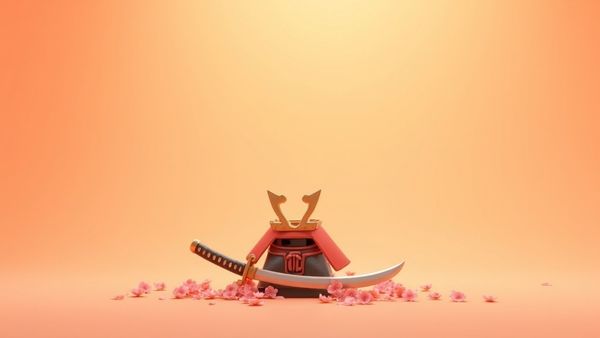
The Samurai lived by a strict code called Bushido, which means 'The Way of the Warrior.' This code taught them to be brave, loyal, honest, and skilled. They trained constantly with their famous swords, the Katana, and other weapons like the bow (Yumi) and the spear (Yari).
How Did the Rest of Society Fit In?
The pyramid structure put everyone else below the Samurai. This rigid system helped keep things stable for hundreds of years!
Below the Samurai were the commoners, but they were still ranked!
The Four Tiers of Feudal Japan
The social structure was usually broken down into four main groups beneath the ruling elite. The Samurai were at the top of the commoner ranks because they were military, but the people who grew the food were technically considered the most *necessary*!
1. Farmers and Peasants: They were the biggest group—sometimes about 90% of the population! They grew the rice that fed everyone, including the Samurai. Sadly, they often paid so much in taxes (in rice!) that they were very poor.
2. Craftsmen: These were the skilled workers, like blacksmiths who made tools or armor, and carpenters who built homes. They were considered more honorable than merchants because they made things from scratch.
3. Merchants: These people bought and sold goods. Even though they sometimes got rich, they were ranked last among the commoners because many people thought making or trading things wasn't as honorable as growing food or fighting.
💡 Did You Know?
There was even a group *outside* the four main classes! These were people who did jobs considered 'unclean,' like butchering animals or tanning leather. They were called the 'outcasts' or *Hinin*.
🎯 Quick Quiz!
Who was the actual military ruler of Japan during the Feudal Period?
Why Did Feudal Japan Change?
The longest and most peaceful period was run by the Tokugawa Shogunate, which started in 1603 in Edo (which is now Tokyo). This era was famous for isolating Japan—they kept most foreigners out for over 200 years!
But times change! By the mid-1800s, the world was getting modern, and powerful new weapons like guns became common. Since the Samurai's traditional fighting style wasn't as useful against huge armies using guns, the need for a specialized warrior class slowly disappeared.
- The End of the Shoguns: In 1868, the last Shogun, Tokugawa Yoshinobu, gave up his power.
- The Meiji Restoration: This event brought the Emperor back as the true ruler of Japan.
- Modernization: Japan quickly started learning from Western countries to become a modern nation, ending the long feudal period.
Even though the Samurai lost their special class privileges by 1876, their legacy of bravery and discipline, shaped by the Bushido code, is still a HUGE part of Japanese culture today!
Questions Kids Ask About World History
Keep Exploring the Samurai Spirit!
Feudal Japan was a world of strict rules, amazing warriors, and deep traditions. Whether you’re imagining the shine of a Katana or the power of the Shogun, history is full of incredible stories waiting for you. Keep asking questions and keep listening!