Pizza is a flatbread dish often topped with tomato sauce, cheese, and various ingredients. The word 'pizza' was first written down in 997 CE, though the modern version evolved in Naples, Italy. Learn how this beloved food started as simple ancient bread!
Are you ready to sink your teeth into one of the yummiest stories ever told? We're talking about PIZZA!
Pizza is probably the number one food for parties, movie nights, and, let's be honest, Tuesday nights too! But who do we thank for this perfect circle of deliciousness? The answer is a little surprising because pizza didn't just pop up overnight. The idea of putting yummy things on flat bread is thousands of years old! The word 'pizza' itself was first written down way back in the year 997 CE in a town called Gaeta. But the modern pizza we love, with the red sauce and gooey cheese, was born much later in a busy Italian city called Naples. Get ready, because we are diving deep into the doughy, cheesy history of pizza for kids!

Mira says:
"Whoa, Finn! I thought my Uncle Tony invented pizza when he opened his place in New Jersey. Turns out, people were topping flatbreads when the pyramids were still being built! That's almost as old as dinosaurs!"
What is Proto-Pizza? Tracing Back to Ancient Flatbreads
Long before anyone thought of mozzarella, people were eating flatbreads with toppings! Think of it like the great-great-great-great-grandparent of pizza. Ancient civilizations like the Egyptians, Greeks, and Romans all had their versions.
The Romans had a flatbread called panis focacius, which is similar to what we call focaccia today. They would often top it with simple things like cheese, herbs, and olive oil.
Even Persian soldiers serving under Darius the Great around 500 B.C. baked flatbreads topped with cheese and dates, sometimes right on their battle shields! That’s some serious ancient history snacking!
Mind-Blowing Fact!
The earliest evidence of flatbreads being eaten dates way, way back to around 12,000 BCE in Jordan! That’s older than almost everything else we talk about!
The Big Change: Naples and the Magic of the Tomato
The pizza that looks most like what you order today started in Naples, Italy, around the 1700s and 1800s. Naples was a busy port city, and the working-class people there needed food that was super cheap, fast, and filling.
Street vendors started selling flatbreads with toppings that were easy to carry. At first, toppings were simple things like lard, garlic, or salt. But then came the game-changer: the tomato!
Tomatoes came to Europe from the Americas in the 1600s, but at first, many people were nervous to eat them. Not in Naples, though! The Neapolitans quickly started putting tomatoes on their flatbreads, and that’s when the real pizza story began!
How a Queen Made Pizza Famous: The Margherita Moment
For a long time, pizza was just cheap food for regular folks. It wasn't something fancy royalty would eat. But that all changed thanks to a very special visit!
In 1889, King Umberto I and his wife, Queen Margherita of Savoy, visited Naples. The Queen, perhaps tired of fancy French meals, wanted to try the local favorite.
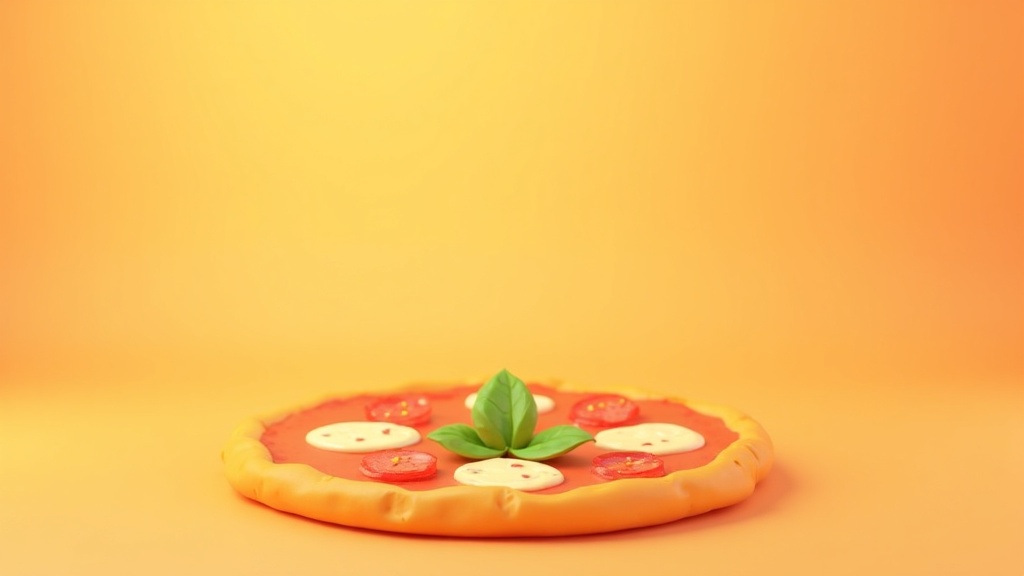
A pizza maker (called a pizzaiolo) named Raffaele Esposito was chosen to cook for her! To impress the Queen, he created a special pizza using toppings that matched the colors of the Italian flag: red tomatoes, white mozzarella cheese, and green basil.
The Royal Approval
The Queen loved the patriotic pie! Esposito decided to name it 'Pizza Margherita' in her honor. This was a huge deal! It took pizza from being just street food to a symbol of Italian pride, and that’s how it got super famous across Italy.
💡 Did You Know?
Before the Margherita pizza, another famous style, the Pizza Marinara, was already popular in Naples! It was topped with tomato, oregano, garlic, and olive oil, and it dates back to 1734!
🎯 Quick Quiz!
What three colors, matching the Italian flag, were used on the famous Pizza Margherita?
Who Brought Pizza to America (and Made It Explode)?
Pizza didn't stay just in Italy! When many Italian immigrants moved to the United States in the late 1800s and early 1900s, they brought their favorite recipes with them.
They started making and selling pizza in big cities like New York, Chicago, and Philadelphia. The first licensed pizzeria in the US is said to be Lombardi's in New York City, opening in 1905!
Pizza’s popularity really zoomed up after World War II. Soldiers who had been stationed in Italy came home craving that delicious pizza, and soon, pizzerias were opening everywhere, making it a global favorite!
- New York Style: Known for large, thin, foldable slices.
- Chicago Style: Famous for its thick, deep-dish crust that’s baked like a pie.
- Neapolitan Style: The original! Thin crust, cooked fast in a very hot oven.
So, while no single person invented the very first piece of bread with toppings, we can thank the bakers of Naples, Italy, for creating the modern pizza we know and love, and Raffaele Esposito for giving it a royal seal of approval!
Questions Kids Ask About Food History
Keep Exploring, History Lovers!
Next time you grab a slice, remember you are eating a food with roots reaching back thousands of years and a story that traveled across oceans! History is in everything, even your dinner! What other food mysteries should we crack open next?